
Undertaking a complete exterior home remodeling project is one of the most significant investments you can make as a homeowner. It is an ambitious venture that completely reshapes your property’s visual identity, dramatically boosts its market value, and reinforces its defenses against the elements. Yet, because an exterior overhaul encompasses so many different structural systems, the process can quickly feel overwhelming. Managing overlapping timelines, protecting your landscaping, and budget management require a strategic roadmap.
Without a deliberate, step-by-step plan, it is incredibly easy to fall into sequencing traps. For instance, scheduling cosmetic work before heavy structural modifications are complete can result in accidental damage, forcing you to pay for the same repair twice.
To prevent these costly errors and ensure a seamless, stress-free transformation, this guide breaks down the ultimate exterior remodeling process into ten distinct, logical phases. By approaching your renovation with a structured timeline, you can maintain full control over the job site, optimize your budget, and ensure that every upgrade looks spectacular and lasts for decades.
1. Structural Diagnostic and Engineering Assessment

Before you spend a single dollar on aesthetic upgrades, siding materials, or new windows, you must evaluate the hidden skeleton of your home. Houses settle over time, and moisture can quietly compromise framing behind old siding or trim. If you apply premium, expensive cosmetic finishes over a failing or rotted structure, the new materials will warp, buckle, or fail prematurely, wasting your hard-earned investment.
To properly assess your home’s structural health, you should implement the following steps:
-
Examine the foundation perimeter for step-shaped cracks, bowing walls, or signs of water penetration.
-
Check the alignment of exterior window frames and doorways using a long spirit level to identify structural shifting.
-
Look for soft spots, wood rot, or termite damage along the sill plates where the house meets the foundation.
-
Monitor your attic rafters during or immediately after a heavy rainstorm to spot hidden leaks that could rot the wall framing from the top down.
If your property is a standard stick-built residence, you will likely need to consult with licensed framing contractors to reinforce load-bearing elements or fix sagged sections. However, if you are remodeling a rustic cabin or an authentic log structure, the engineering principles are entirely different due to natural wood shrinkage and settling, meaning you should instead seek out a specialized log home builder to evaluate the structural integrity of the timber stacks.
2. Off-Site Fabrication and Logistics Planning
Modern construction relies heavily on efficiency, and a major trend in large-scale exterior renovations is the integration of pre-engineered, factory-built components. Utilizing off-site fabrication minimizes the time your property looks like an active construction zone and significantly reduces material waste on your lawn. However, managing these large components requires precise logistical planning before anything arrives at your address.
To prepare your property for the arrival of large-scale structural or modular components, keep these logistical best practices in mind:
-
Request a detailed delivery schedule from your suppliers so you know exactly when oversized flatbed trucks will arrive.
-
Inform your immediate neighbors well in advance about potential street blockages or noise during delivery days.
-
Establish a clear, designated staging zone on a flat, solid surface like a driveway, ensuring it is away from underground septic tanks or delicate utility lines.
-
Verify that overhead tree branches and power drops are cleared or safely out of the way of large delivery vehicles.
During this stage of a major overhaul, your project might involve a manufacturing contractor who builds custom wall panels, complex roof trusses, or specialized architectural elements in a controlled factory setting. When these heavy, pre-assembled pieces arrive at your home, utilizing professional crane services is often the safest and most efficient method to hoist them directly into place without damaging your existing landscaping or lawn.
3. Roof Evaluation and Material Selection
The roof is the absolute crown of your home’s exterior envelope, serving as the primary barrier against rain, snow, and UV radiation. A complete exterior remodel should almost always address the roof early in the construction sequence because a failing roof puts all lower-level renovations at risk. Before choosing materials, you must decide whether your roof requires a minor architectural update or a complete strip-down to the plywood decking.
When evaluating your roof and selecting new materials, use these criteria to guide your decision:
-
Determine the age of your current roof, as architectural shingles typically last twenty to twenty-five years, while metal can last upwards of fifty.
-
Match the material weight to your home’s structural capacity, keeping in mind that slate or concrete tiles may require extra reinforcement.
-
Choose high-performance underlayments, such as synthetic barriers and ice-and-water shields, rather than traditional felt paper.
-
Coordinate the color and texture of your roofing material with your planned siding and window trim to ensure visual cohesion.
To ensure the technical details like valley flashing, chimney crickets, and intake ventilation are executed perfectly, you should hire an experienced individual roofer who specializes in detailed craftsmanship. For large-scale replacements where speed is critical to protect an exposed house from sudden rain, bringing in a full, certified crew of roofers ensures the job gets dried in quickly and safely.
4. Comprehensive Team Selection and Project Governance

An exterior remodel is a symphony of moving parts that requires coordinating various trade specialists, ordering materials, and navigating municipal building permits. Homeowners must decide whether they want to act as their own general manager or hand the reins over to an established firm. Regardless of the route you choose, vetting your core team is the single most important factor in determining the timeline and final quality of the build.
To protect yourself and ensure a high standard of work, follow this vetting and governance protocol:
-
Verify that every prospective contractor carries active general liability insurance and workers’ compensation coverage.
-
Request references from projects completed at least three years ago to see how their craftsmanship holds up over time.
-
Require a comprehensive, written contract that outlines detailed payment milestones, explicit material specifications, and cleanup expectations.
-
Create a centralized communication log to document change orders, design modifications, and timeline adjustments in writing.
For properties undergoing standard structural layouts or straightforward updates, interviewing multiple local home contractors will give you a clear picture of market pricing and regional expertise. If your project involves a completely unique, highly customized design with complex architectural footprints, partnering with a dedicated custom home builder will provide the specialized oversight needed to execute intricate blueprints flawlessly.
5. Demolition, Debris Management, and Site Protection
Before your home can look brand new, the old, worn-out components must be systematically removed. Demolition is a messy, inherently hazardous phase that can wreak havoc on your property if it is not controlled. Stripping away heavy siding, pulling down old gutters, and removing hundreds of pounds of old roofing material generates tons of debris that must be managed responsibly.
During this messy tear-out process, your dedicated roofer should carefully inspect the underlying wooden roof deck for hidden dry rot or water stains that were invisible from the attic. Meanwhile, having a highly coordinated crew of roofers on-site allows the demolition of the old roofing layers to happen simultaneously with the installation of the temporary waterproof underlayment, keeping your home dry.
6. Substrate Preparation, Sheathing, and Weatherization
Once demolition is complete and any compromised structural wood is replaced, the focus shifts to creating a high-performance weather barrier. This phase is often invisible when the project is finished, but it is absolutely vital for the thermal efficiency and moisture management of your home. Applying siding or trim over uneven, unsealed, or poorly insulated sheathing will trap moisture inside your walls, leading to toxic mold and structural decay.
During this phase, your framing contractors will return to build out any new architectural bump-outs, covered porches, or window dormers that alter the home’s original footprint. If you are updating a timber-framed property, a professional log home builder will use this time to apply specialized external chinking, structural gaskets, and specialized wood preservatives to insulate the massive timbers against driving rain and wind.
7. Window, Exterior Door, and Portico Installation
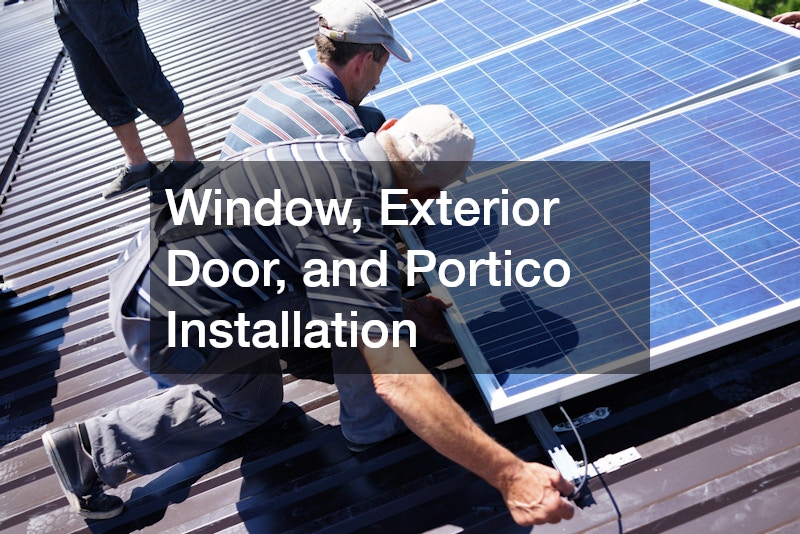
With the walls wrapped and protected, it is time to install the primary architectural openings: windows and exterior doors. These elements are critical because they represent the intersection of structural engineering, energy efficiency, and pure curb appeal. Replacing old, drafty windows with modern, multi-pane units can slash your monthly utility bills while completely updating the face of your home.
If you are coordinating a massive, highly technical build, a specialized manufacturing contractor can supply custom-sized, pre-glazed window assemblies that fit perfectly into your factory-engineered wall panels. To lift massive, multi-sliding glass patio doors or heavy, solid-timber front entry assemblies into place on upper levels, your team can utilize crane services to prevent manual lifting injuries and avoid dropping these expensive glass components.
8. Siding, Cladding, and Architectural Trim Integration
Siding constitutes the vast majority of your home’s visible exterior surface area, making this phase one of the most exciting parts of the entire remodel. The material you choose—whether it is fiber cement, natural cedar tongue-and-groove, modern vinyl, or stone veneer—will dictate your home’s long-term maintenance requirements and its architectural style. Proper installation requires meticulous attention to detail regarding expansion joints and clearance gaps.
To ensure your siding looks flawless and performs beautifully over its lifespan, pay close attention to these installation guidelines:
-
Maintain a clear gap of at least six inches between the bottom edge of your siding and the final ground or mulch level to prevent moisture wicking.
-
Use corrosion-resistant stainless steel or hot-dipped galvanized nails to prevent ugly rust streaks from forming on your new siding over time.
-
Leave appropriate expansion gaps at all corner posts and window trim channels to allow materials to expand and contract naturally during extreme temperature swings.
-
Install a rain-screen system behind fiber cement or wood siding to create a dedicated drainage plane that allows trapped moisture to escape safely.
Vetting the right general home contractors who have specialized experience with your chosen material is critical, as installing fiber cement requires vastly different tools and techniques than installing natural wood. If you are striving for a truly high-end, bespoke aesthetic, working with a premium custom home builder ensures that intricate trim details, hidden fasteners, and seamless mitered corners are executed with absolute precision.
9. Trim Preparation, Caulking, and Surface Priming
After the siding, windows, and structural trim are securely mounted, your home is almost ready for its final coats of color. However, the secret to a breathtaking, professional-grade finish lies entirely in the tedious preparation phase. Skipping or rushing through surface preparation is the number one reason exterior paint peels, bubbles, or fades within just a few years.
Hiring a dedicated, professional home painter during this critical prep phase is an excellent investment, as they have the commercial-grade sanding tools, scaffolding, and spraying equipment needed to create a perfectly smooth substrate. A skilled exterior painter will also know exactly how to test the moisture content of the wood using a digital meter, ensuring the surface is dry enough to accept primer without trapping damaging moisture underneath the paint film.
10. Final Architectural Painting, Staining, and Cleanup

The final phase of your complete exterior remodel is the application of top-tier architectural coatings and the systematic restoration of your property. This is where your design vision fully comes to life. The final coats of paint or stain do not just provide beautiful color; they act as a final shield against punishing sunlight, driving rain, and fluctuating outdoor temperatures.
By utilizing a professional home painter for this step, you ensure that the delicate lines around your brand-new windows and soffit trim are sharp, crisp, and completely free of sloppy overspray. Furthermore, an experienced exterior painter will provide a comprehensive color chart and a written warranty on their labor, leaving you with extra matching paint for future touch-ups and total peace of mind.
When you break a massive undertaking down into manageable, independent steps, you empower yourself to make smart decisions regarding material selection, scheduling logistics, and contractor vetting. Take your time during the planning stages, surround yourself with licensed, insured professionals, and adhere strictly to your phase-by-step checklist. When the final drop cloths are pulled away and the site is cleaned, your home will stand as a beautiful, highly efficient, and deeply secure sanctuary that will proudly shelter your family for generations to come.