
Your home’s exterior is its first line of defense against rain, wind, sunlight, temperature changes, pests, and other environmental conditions. Because it is constantly exposed to the elements, even durable exterior materials can gradually deteriorate. Small cracks can allow moisture inside, clogged drainage systems can send water where it does not belong, and worn protective coatings can leave building materials vulnerable to damage.
Regular exterior maintenance is one of the most effective ways to catch these problems before they become expensive repairs. Instead of waiting for a leak, visible rot, or another major issue, homeowners can establish a routine that focuses on inspections, cleaning, preventive maintenance, and timely repairs.
A well-maintained exterior can also improve curb appeal and help preserve property value. More importantly, it helps protect the structural components hidden beneath the surfaces you see every day. The following steps provide a practical approach to caring for the major areas around your home throughout the year.
Inspect Your Roof at Least Twice a Year

Your roof experiences constant exposure to sunlight, rain, wind, falling debris, and seasonal temperature changes. Inspecting it at least twice a year—typically during spring and fall—can help you identify deterioration before it causes significant water damage. An additional inspection after severe storms is also worthwhile.
Start with a visual inspection from the ground. Binoculars can help you examine shingles without climbing onto the structure. Look for missing, cracked, curled, or displaced shingles. Dark patches, excessive granules collecting near downspouts, moss growth, damaged flashing, and visibly sagging sections also deserve attention.
Do not limit the inspection to the outside. Visit the attic during daylight hours and look for visible light entering through unexpected openings. Check rafters, insulation, and decking for damp spots, discoloration, mold-like growth, or water stains. Indoors, stains on ceilings or upper walls may indicate moisture intrusion.
Different residential roofing materials have different expected lifespans and maintenance requirements, so familiarize yourself with the material installed on your home. Knowing approximately when it was installed can also help you anticipate when more frequent inspections may become necessary.
Avoid walking on a steep, wet, deteriorated, or unfamiliar roof. Besides the risk of falling, walking incorrectly can damage certain materials. Experienced roofers can safely examine difficult-to-access areas and identify problems that may not be obvious from the ground.
Take photographs during each inspection. Comparing pictures from one season or year to another makes gradual changes easier to recognize.
Address Small Roof Problems Before Damage Spreads
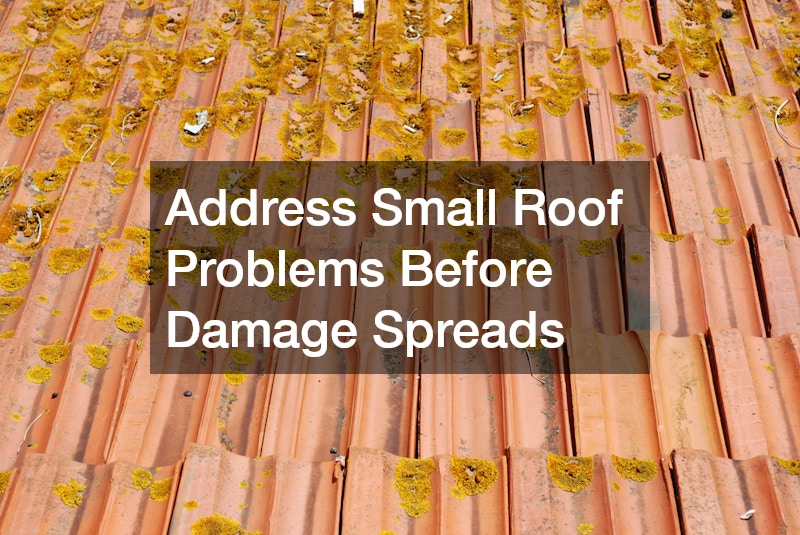
A minor problem on the roof rarely stays isolated indefinitely. A small opening around flashing, for example, can allow water to reach decking, insulation, framing, drywall, and other materials. Because some of this damage occurs out of sight, a relatively inexpensive exterior problem can become a complicated interior repair.
Pay particular attention to changes after strong winds, hail, heavy rain, or falling branches. Check for displaced materials, damaged flashing, new water stains, or debris that may have struck the surface. Even if you do not notice water dripping indoors, musty odors or damp attic insulation can indicate a developing problem.
Timely roof repair is especially important around vulnerable areas such as chimneys, valleys, vents, skylights, and roof penetrations. These locations contain seams and transitions where water can enter if flashing or sealants deteriorate.
Professional roofing services may include inspections, flashing work, leak detection, shingle replacement, ventilation assessments, and other maintenance. The appropriate solution depends on the source and extent of the problem rather than simply where water becomes visible inside the house.
Keep records of completed work, including dates, photographs, invoices, warranties, and materials used. This information helps you track recurring issues and can be useful when deciding whether future repairs remain practical.
Know When Repairs Are No Longer Cost-Effective
Routine maintenance can extend the useful life of many exterior materials, but there eventually comes a point when repeatedly fixing isolated problems is less practical than addressing the entire system.
Start by determining the approximate age of your roof. Installation paperwork, home improvement records, previous inspection reports, or information from the former owner may provide useful clues. Compare its age with the typical lifespan of the specific material rather than relying on a single rule for every home.
Condition matters just as much as age. Widespread curling, cracking, missing materials, extensive granule loss, recurring leaks, sagging areas, and repeated repairs may indicate broader deterioration. If multiple areas are failing simultaneously, fixing one problem at a time may only postpone a larger project.
When evaluating roof replacement, consider the existing system’s condition, repair history, local climate, ventilation, material performance, and expected cost of future maintenance. Ask whether the underlying decking or other components also need attention.
When collecting estimates, compare roofing contractors based on more than the lowest price. Verify applicable licensing and insurance requirements, request references, investigate workmanship warranties, and ask exactly what each estimate includes.
A detailed proposal should identify materials, labor, removal of old materials when applicable, disposal, cleanup, warranties, anticipated timing, and procedures for unexpected damage discovered during the project. Comparing equivalent scopes of work gives you a much clearer picture than comparing bottom-line prices alone.
Keep Gutters Clear and Direct Water Away
Managing rainwater is one of the most important aspects of exterior home maintenance. Gutters collect runoff and direct it toward downspouts, helping prevent water from repeatedly soaking fascia, siding, landscaping, and areas near the foundation.
Inspect and clean gutters at least twice a year. Homes surrounded by mature trees may require more frequent cleaning. Remove leaves, twigs, seed pods, roofing granules, and other material that restricts water flow.
During rainfall, observe how the system performs from a safe location. Water spilling over the edge can indicate a blockage, poor slope, insufficient capacity, or another drainage problem. Downspouts should discharge water away from the foundation rather than creating puddles beside the house.
Inspect seams, fasteners, brackets, and fascia boards for leaks, sagging, corrosion, staining, or rot. Seamless gutters reduce the number of joints along long gutter runs, although corners, outlets, and other connection points still require periodic inspection.
If you are already having the upper exterior evaluated, some roofing companies may also examine drainage components and their relationship to the roof edge. This can be useful because damaged fascia, drip edges, and poorly positioned gutters can contribute to moisture problems.
Never ignore persistent overflow. Repeated exposure to uncontrolled water can damage exterior finishes and contribute to erosion or moisture around the foundation.
Inspect Siding for Damage Every Season
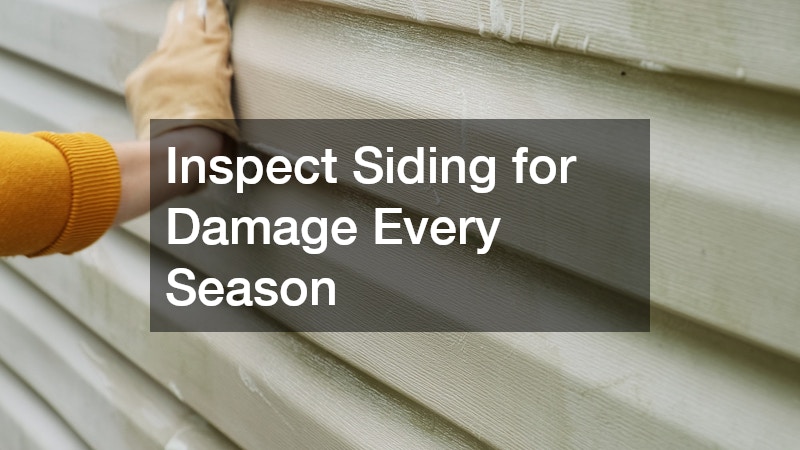
Siding protects the walls beneath it, but its condition can change gradually. A seasonal walk around the property gives you an opportunity to catch small defects before moisture, insects, or weather make them worse.
Examine each side of the home from several angles. Look for cracked, warped, loose, missing, or deteriorated sections. Pay close attention to areas around windows, doors, vents, utility connections, and other penetrations. These transitions often contain joints where failed sealants or displaced materials can allow water inside.
Different materials show deterioration in different ways. Wood may develop peeling coatings or rot. Vinyl can crack, loosen, or warp. Fiber cement can develop damaged edges or cracks. Whatever material you have, learn its basic care requirements before cleaning or making repairs.
Vegetation should not remain pressed against exterior walls. Trim shrubs and branches to improve airflow and make inspections easier. Vines can also conceal deterioration and, depending on the surface, may contribute to damage.
Professional siding services may be appropriate when sections are extensively damaged, moisture appears to be getting behind the material, or repairs require removing and reinstalling multiple components. Correcting the source of moisture is essential; replacing only the visibly damaged surface will not solve an underlying leak.
Regular inspections are especially important after storms and extreme temperature changes, when materials can shift or sustain impact damage.
Maintain Painted Surfaces Before Peeling Gets Worse
Exterior paint does more than improve appearance. On materials such as wood, a properly maintained coating provides an important protective barrier against moisture and weathering.
Inspect painted surfaces annually. Look closely at siding, trim, fascia, shutters, porch components, and other exposed areas. Peeling, cracking, bubbling, chalking, fading, and exposed substrate are signs that maintenance may be necessary.
Before repainting, determine why the existing coating failed. Applying new paint over dirt, loose material, rot, or trapped moisture can lead to another premature failure. Surfaces generally need to be cleaned and properly prepared, and deteriorated materials should be repaired first.
Pay extra attention to sections that receive intense sunlight, repeated rain exposure, or limited airflow. These areas may deteriorate faster than protected portions of the house.
If the project is extensive or involves difficult-to-reach areas, a siding painter can evaluate surface preparation needs and apply coatings appropriate for the material. Preparation is often the most important part of a durable exterior painting project, so do not rush directly to applying a new coat.
After painting, continue annual inspections rather than waiting until widespread peeling develops. Touching up isolated vulnerable areas can be easier than restoring an exterior after the protective coating has significantly deteriorated.
Seal Windows, Doors, and Exterior Openings

Windows, doors, vents, pipes, cables, and other penetrations create transitions in the exterior envelope. These areas need proper sealing because small gaps can allow drafts, water, insects, and outdoor air into places where they should not be.
Inspect caulk around windows and doors for cracking, separation, gaps, or missing sections. Deteriorated material should generally be removed before fresh sealant is applied so the new application can bond correctly. Use a product designed for the specific exterior material and exposure conditions.
Check door weatherstripping for wear and confirm that exterior doors close properly. If you can see daylight around a closed door, feel a noticeable draft, or observe water entering during storms, further adjustment or sealing may be necessary.
Window trim also deserves careful attention. Soft wood, discoloration, peeling paint, or persistent staining can indicate that water is reaching the surrounding materials. Simply covering damaged areas with new caulk or paint may hide the symptom without correcting the cause.
Schedule a detailed check before seasons with heavy rainfall or extreme temperatures. Preventive sealing can help manage moisture while also reducing unwanted air leakage.
Some problems require more than caulk. Significant rot, movement, recurring water intrusion, or damaged frames may indicate that surrounding components need repair or replacement. Addressing the underlying defect is more effective than repeatedly applying sealant to the same area.
Create a Seasonal Exterior Maintenance Routine
Breaking exterior maintenance into seasonal tasks makes caring for the property more manageable. Instead of trying to inspect everything at once, focus on conditions most likely to affect your home during each part of the year.
In spring, look for damage left behind by winter weather. Walk around the property and examine exterior surfaces, drainage components, seals, and visible structural elements. Clear accumulated debris and watch for signs that melting snow or seasonal rain has created drainage problems.
Summer is a useful time for cleaning exterior surfaces and managing vegetation. Trim branches away from the house, remove growth that restricts airflow, and check areas exposed to intense sunlight. Watch for insects, nesting activity, and small openings that pests could use to enter.
During fall, remove leaves and debris before winter. Recheck drainage paths, exterior seals, and areas where water could collect. Make sure outdoor components are ready for freezing temperatures where applicable.
Winter maintenance is primarily about monitoring conditions safely. After major storms, look from the ground for visible damage. Watch interior ceilings and attic areas for developing moisture. In snowy climates, unusual accumulation or persistent ice formation may warrant professional evaluation rather than attempting risky work yourself.
Maintain a simple written or digital checklist for these inspections. Record the date, areas examined, maintenance completed, and issues requiring follow-up. Photographs are particularly useful for monitoring cracks, discoloration, movement, and other changes.
Consider setting aside an annual maintenance budget as well. Predictable spending on cleaning, inspections, sealing, and minor fixes is often easier to manage than an unexpected major repair caused by years of deferred maintenance.
Protect Your Home Through Preventive Maintenance
Keeping a home exterior in good condition does not require waiting until something breaks. Consistent inspections, cleaning, water management, sealing, and timely maintenance can help homeowners identify small concerns while they are still manageable.
Pay particular attention to moisture. Water that repeatedly reaches the wrong location can contribute to deterioration in walls, trim, structural materials, and other components. Keeping drainage paths clear and exterior openings properly protected can make a significant difference over time.
A seasonal routine also makes maintenance less overwhelming. Document what you inspect, track developing issues, and address deterioration rather than assuming it can wait another year. When work involves significant heights, structural concerns, extensive damage, or specialized equipment, seek qualified professional assistance instead of taking unnecessary risks.
By treating exterior care as an ongoing part of homeownership, you can preserve curb appeal, reduce the likelihood of preventable damage, and help the materials protecting your home perform effectively for years to come.