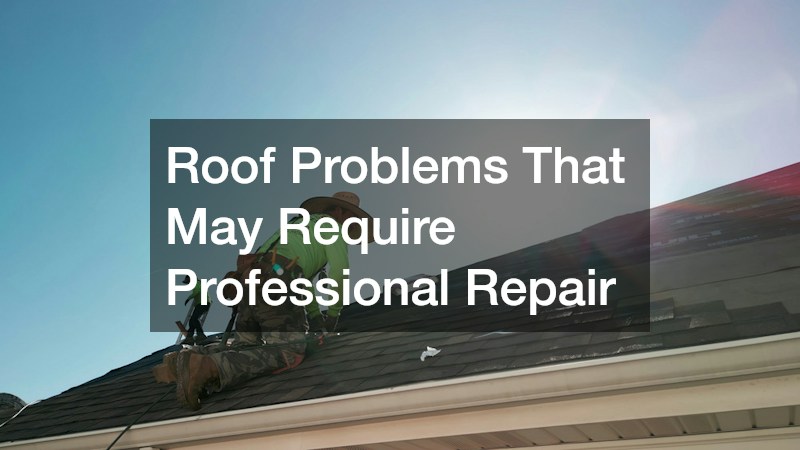
A roof protects nearly every part of a home from rain, snow, wind, sunlight, and changing temperatures. Because it is constantly exposed to the elements, even a well-maintained roof can eventually develop problems. Some issues are easy to notice, such as missing shingles or water stains on a ceiling, while others can remain hidden until they cause more significant damage. Knowing which warning signs deserve attention can help homeowners address roofing problems before they spread.
Understanding common roof problems can make it easier to recognize when professional assistance may be appropriate. Prompt attention can help protect the home’s interior, insulation, walls, and other structural components from moisture-related damage. It can also provide an opportunity to determine whether a repair is sufficient or whether more extensive work may be necessary.
Signs You May Need Help With Roof Repairs
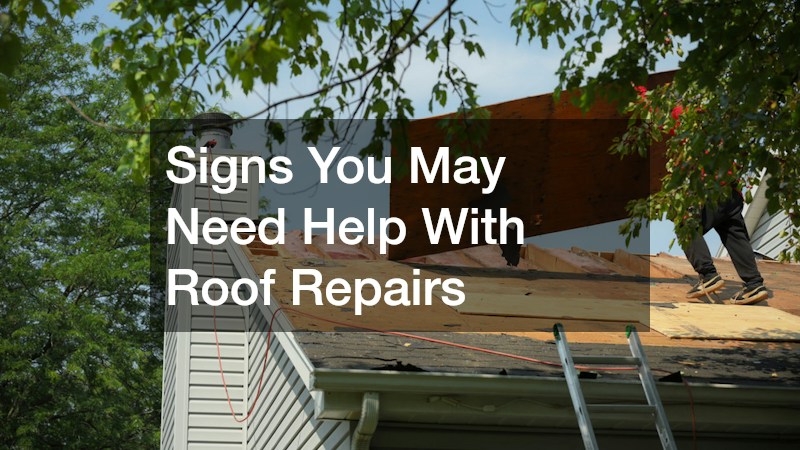
Several warning signs can indicate that a roof needs more than routine maintenance. Water stains on ceilings or walls are among the most noticeable. These stains may indicate that water is entering through damaged roofing materials, flashing, vents, or other areas. Even if the stain appears small, the source of the leak may be located somewhere different from where the water becomes visible inside the home. Local roofers can evaluate the affected areas and help identify the source of the problem.
Missing, cracked, curled, or damaged roofing materials can also indicate a problem. Strong winds and storms can loosen materials, while age and repeated exposure to temperature changes can cause deterioration. If several areas of the roof show visible damage, a professional inspection can help determine whether isolated repairs are appropriate.
Homeowners may also notice granules collecting in gutters or around downspouts. Granule loss can occur as roofing materials age, and significant accumulation may indicate that the surface is deteriorating. Sagging areas are another important warning sign because they can suggest moisture damage or problems with the underlying structure.
Other signs include daylight visible through the roof structure from an attic, unusually high moisture levels, mold or mildew growth, and damaged flashing around chimneys or vents. These issues should not be ignored simply because there is no active leak inside the house. Addressing problems early can reduce the chance of additional damage.
When Roofing Damage Calls for Professional Assistance
Not every roofing problem has the same cause or solution. A loose piece of material may require a relatively straightforward repair, while widespread damage can involve several layers of the roofing system. Professional assistance may be appropriate when the cause of a problem is difficult to identify or when damage extends beyond the visible surface.
Storm damage is one situation in which a detailed inspection can be particularly useful. Wind, hail, and falling debris can affect roofing materials in ways that are not always obvious from the ground. A roof may appear intact while individual components have been cracked, loosened, or displaced.
Persistent leaks also warrant attention. Placing a container beneath a leak may temporarily manage dripping water, but it does not address the source. Water can travel along rafters, insulation, and other materials before becoming visible inside the home. This can make locating and correcting the source more complicated than the visible stain suggests.
Roofing contractors can also assess whether previous repairs have resolved an issue properly. If the same area continues to leak after repairs, the underlying cause may not have been addressed. A professional evaluation can help identify contributing factors and determine what work may be needed.
When Repairing the Roof May Not Be Enough
Repairs can be effective when damage is limited to a specific area and the remaining roofing system is in suitable condition. However, there are situations where repeated repairs may no longer be the most practical approach. Extensive deterioration, widespread leaks, structural concerns, and advanced material aging can indicate that replacement should be considered.
The age and overall condition of the roof are important factors. Roofing materials have different expected service lives, and an older roof with multiple areas of damage may continue to develop problems even after individual repairs are completed. Replacing a larger portion or the entire roof may provide a more comprehensive solution in these circumstances.
A new roof installation may also become necessary when storm damage affects a substantial portion of the roofing system. The extent of damage should be evaluated rather than assumed based solely on what can be seen from the ground.
Other considerations include the condition of the decking beneath the roofing materials, the effectiveness of attic ventilation, and the presence of recurring moisture problems. Replacing surface materials without addressing underlying issues may not resolve the source of the problem.
Homeowners should also consider the frequency and cost of previous repairs. A series of repairs over a short period may indicate that the roof is approaching the end of its useful service life. A professional assessment can help explain the condition of the system and the available options.
Roof Issues That May Require Professional Attention
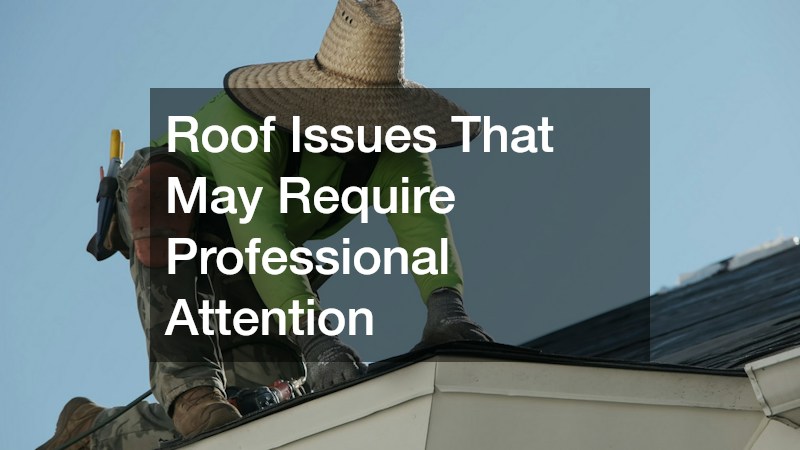
Some roof problems are more complex than they initially appear. Flashing damage around chimneys, skylights, vents, and roof intersections can allow water to enter vulnerable areas. Because these components are designed to prevent moisture intrusion, damage or improper installation can create persistent leaks.
Ventilation problems can also affect roof performance. An attic that does not receive appropriate airflow may experience excess heat and moisture. Over time, these conditions can contribute to deterioration of roofing materials, insulation, and structural components.
Water drainage is another important consideration. Gutters and downspouts help direct water away from the roof and foundation. If water cannot drain properly, it may collect around vulnerable areas of the roofing system. Clogged or improperly positioned drainage components can therefore contribute to moisture problems.
Other concerns include damaged roof decking, deteriorated underlayment, and improperly sealed penetrations. These components are often difficult to evaluate without accessing the roof or attic.
A professional roofing service can investigate the visible and underlying causes of these issues. Instead of addressing only the most obvious symptom, an inspection can help determine which components are contributing to the problem and what repairs may be appropriate.
How Professionals Can Address Complex Roof Problems
Complex roofing problems often require more than identifying damaged materials. Professionals may evaluate the roof’s surface, flashing, ventilation, drainage, underlayment, and supporting components to develop a broader understanding of its condition.
An inspection can help identify areas where moisture may be entering and determine whether damage is localized or widespread. Professionals may also look for signs of previous repairs, material deterioration, or installation issues that could contribute to recurring problems.
Roofing experts can use their experience with different roofing systems and materials to determine appropriate repair methods. This may involve replacing damaged materials, repairing flashing, addressing leaks, improving drainage, or correcting other components that affect the roof’s performance.
Safety is another consideration. Roof surfaces can be steep, wet, fragile, or otherwise difficult to navigate. Professional workers generally have equipment and procedures designed for working at elevation.
Complex repairs may also require coordination between multiple parts of the roofing system. For example, replacing damaged surface materials may not be sufficient if the underlying decking has been affected by prolonged moisture exposure. Identifying these conditions before completing repairs can help avoid addressing the same problem repeatedly.
Situations When a Roofing Professional May Be Necessary
Some situations make professional evaluation particularly important. A major leak after a storm, significant structural sagging, extensive missing materials, or visible damage around roof penetrations can all justify prompt attention.
Homeowners may also seek professional assistance when they cannot safely access the affected area. Attempting to inspect or repair a roof without appropriate safety equipment can create a fall hazard. In many cases, it is safer to evaluate the problem from the ground and arrange an inspection.
Recurring leaks are another reason to request professional help. If a leak returns after an attempted repair, the visible location may not represent the actual source. A roofing professional can investigate surrounding materials and components for additional causes.
A roofer may also be useful when homeowners are uncertain whether a problem requires a repair or replacement. This distinction can depend on the location, severity, age, and extent of damage. An evaluation can provide information that helps homeowners understand the condition of their roofing system before deciding how to proceed.
Prompt attention is especially important when water is entering living spaces. Moisture can affect drywall, insulation, flooring, electrical components, and structural materials if it remains unresolved.
When Metal Roofing Requires Specialized Repairs
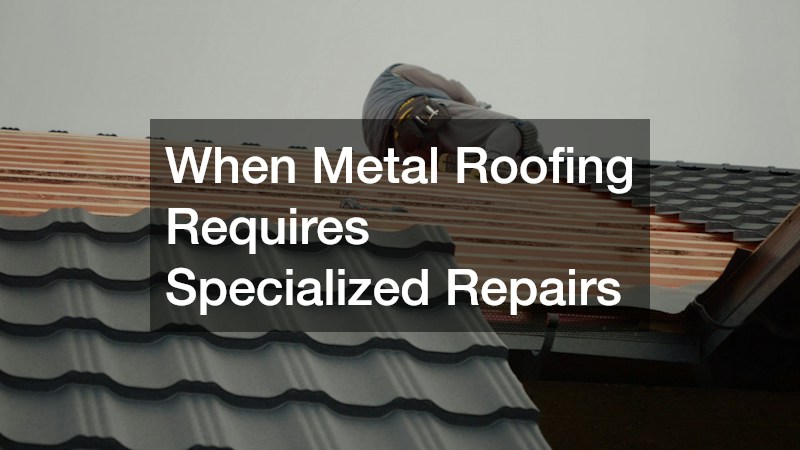
Metal roofing systems have different characteristics from asphalt and other roofing materials. Panels, seams, fasteners, flashing, coatings, and penetrations all contribute to the roof’s ability to shed water. Problems with any of these components can affect performance.
Loose or damaged fasteners can create openings where water may enter. Seams can also become vulnerable if they are damaged or improperly sealed. Rust or corrosion may affect certain metal roofing systems, particularly when protective coatings have deteriorated or when moisture remains in contact with the material.
Storms can cause dents, lifted panels, or other physical damage. While some cosmetic damage may not affect performance, more significant deformation can interfere with seams, fasteners, or drainage.
A local metal roofer can evaluate these concerns and determine whether individual panels, fasteners, flashing, or other components need attention. Repairs should account for the specific type of metal roofing and the way its components are designed to work together.
Homeowners should avoid assuming that repair methods used for other roofing materials are appropriate for metal systems. Materials and installation techniques can differ substantially, making system-specific knowledge important when addressing damage.
Common Problems That Can Affect Shingle Roofing
Shingle roofing can experience several types of damage throughout its service life. Missing shingles are particularly common after strong winds. Cracked or broken shingles can also allow moisture to reach lower layers of the roofing system.
Curling and buckling may indicate aging, moisture concerns, installation issues, or ventilation problems. Shingles can also lose granules over time, reducing the integrity of the surface. Granules may accumulate in gutters, particularly as roofing materials approach the later stages of their service life.
Flashing around chimneys, vents, valleys, and other roof intersections can also become damaged. Because these areas manage water flow and protect openings, deterioration can increase the risk of leaks.
A shingle roof can also develop problems when moss or algae growth becomes extensive. While surface growth does not automatically mean that a roof requires replacement, excessive moisture retention can contribute to material deterioration in some circumstances.
Regular observation can help homeowners notice changes before they become larger concerns. If damage covers a broad area or appears alongside interior water damage, professional evaluation can help determine whether localized repairs or more extensive work may be appropriate.
Roof Concerns for Residential Properties
Residential roofing systems protect more than the rooms directly beneath them. A damaged roof can allow moisture into insulation, attic spaces, walls, ceilings, and other areas of the home. Because these components can be connected, a relatively small roofing problem can eventually affect multiple parts of a property.
Different homes can also have different roofing needs. Roof pitch, material type, architectural features, ventilation, climate, and previous repairs can all influence how a roof performs. Chimneys, skylights, dormers, and other features can create additional areas where flashing and drainage require attention.
A residential roofing company may evaluate these factors when inspecting a home’s roof. The goal is to understand the condition of the overall system rather than focusing exclusively on visible surface damage.
Homeowners should also consider how maintenance affects the roof over time. Keeping gutters clear, trimming branches that could contact the roof, monitoring attic conditions, and responding to visible damage can help reduce avoidable problems.
After severe weather, an inspection may be appropriate even when damage is not immediately visible. Early identification can provide homeowners with a clearer picture of the roof’s condition and help address concerns before moisture reaches interior materials.
When a New Roof May Require Professional Installation
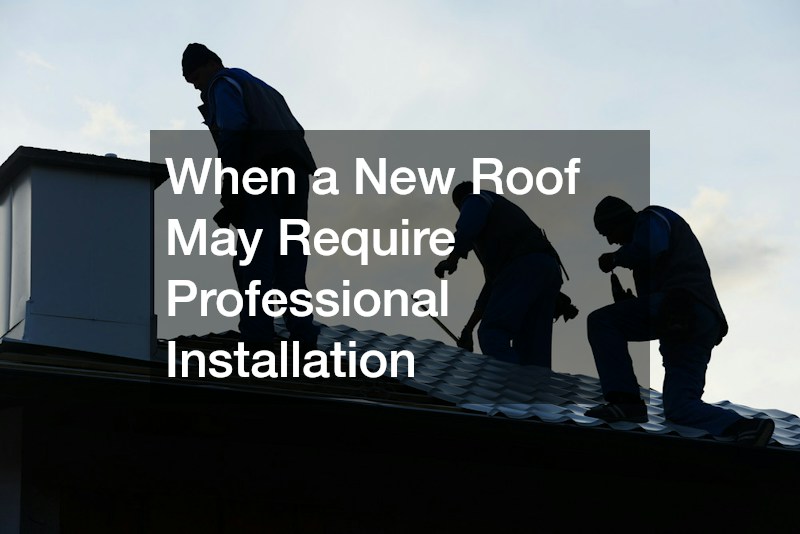
Installing a new roof involves more than placing new materials over an existing surface. The condition of the underlying decking, underlayment, flashing, ventilation, and other components can affect the performance of the finished system.
Professional installation can be particularly important when a roof has extensive deterioration or when the existing system has reached the end of its service life. Before installation begins, the condition of the roof deck and other underlying components may need to be evaluated.
Material selection is another consideration. Different roofing products have different installation requirements, maintenance needs, and performance characteristics. The roof’s design, slope, ventilation, and local weather conditions can influence which materials are appropriate.
A roof installation service may also address details such as flashing around penetrations, ventilation components, drainage areas, and edge materials. These details can have a significant effect on how well the roof manages water and withstands weather.
Professional installation also provides an opportunity to identify issues that may otherwise remain hidden beneath the existing roofing system. Replacing deteriorated components during installation can help create a more complete roofing system rather than simply covering existing problems.
Roof problems can range from minor surface damage to issues that affect the underlying structure of a home. Missing or damaged materials, persistent leaks, deteriorated flashing, poor drainage, sagging areas, and signs of moisture inside the house can all indicate that further evaluation may be appropriate. Recognizing these warning signs gives homeowners an opportunity to address concerns before they result in more extensive damage.
Professional evaluation can be especially useful when the source of a problem is unclear, damage extends across multiple areas, or the work involves steep or difficult-to-access surfaces. A thorough assessment can help identify visible and underlying concerns and clarify which components may need attention.