Your home’s exterior is the first thing visitors, neighbors, and potential buyers notice. A well-maintained exterior creates a welcoming impression while reflecting the care you give your property. Among the elements that contribute to curb appeal, siding plays an important role in defining your home’s appearance and architectural character.
Over time, siding can become faded, damaged, or outdated, making even a beautifully landscaped property appear neglected. Professional siding companies help homeowners refresh their exteriors through material selections, updated colors, and quality installation. Whether you’re preparing to sell or simply want a more attractive home, siding improvements can make a noticeable difference.
Choosing the Right Siding Materials for Your Home
Selecting the right siding material is an important step toward improving curb appeal. Different materials offer unique textures, finishes, and design possibilities that complement various architectural styles.
Vinyl siding is a popular choice because of its affordability, versatility, and relatively low maintenance requirements. Available in numerous colors and profiles, vinyl works well with traditional and contemporary homes. Homeowners can select horizontal panels, vertical styles, or textured finishes to achieve their preferred appearance.
Fiber cement siding offers another attractive alternative. Known for its durability and ability to resemble natural wood, fiber cement provides a sophisticated finish that complements craftsman, colonial, and modern farmhouse architecture.
Natural wood siding creates warmth and character through distinctive grain patterns and textures. Cedar and other wood varieties can enhance rustic and traditional properties, although regular maintenance is necessary to protect against moisture damage.
Engineered wood and metal siding provide additional options for homeowners interested in combining visual appeal with practical performance. Each material has different maintenance requirements and installation considerations.
The ideal material should complement your home’s architecture while aligning with your budget, maintenance preferences, and long-term goals.
Transforming Your Exterior With Colors and Design Details
Color significantly influences how people perceive a home’s exterior. An outdated or mismatched color scheme can make a property appear neglected, while coordinated colors create a polished, inviting appearance.
Neutral shades such as warm white, beige, gray, and soft taupe complement many architectural styles. These colors also coordinate easily with roofing, shutters, trim, and landscaping. Homeowners seeking a bolder appearance might consider deep blue, forest green, or charcoal siding.
Professional siding companies can help homeowners explore color combinations that highlight architectural features without overwhelming the property’s appearance. Contrasting trim can emphasize windows and doors, while complementary siding shades can distinguish different sections of the exterior.
Texture and panel orientation also contribute to visual interest. Horizontal siding creates a timeless appearance, while vertical panels emphasize height and provide a contemporary feel. Decorative shingles or board-and-batten accents can add dimension to gables, entryways, and other prominent features.
When selecting colors and finishes, homeowners should consider natural lighting, surrounding properties, and existing exterior elements. A thoughtful combination of these details creates a cohesive appearance that enhances the home’s character.
Improving Your Home’s Appearance Through Professional Installation
Even attractive siding materials can lose their visual appeal when installed incorrectly. Uneven panels, visible gaps, poorly aligned seams, and inconsistent trim can detract from the property’s overall appearance.
Professional installation helps create clean lines and consistent finishes. Experienced installers understand how to position panels, accommodate architectural features, and create smooth transitions around windows, doors, and corners.
Before installation begins, the existing exterior should be evaluated for potential problems. Damaged sheathing, moisture intrusion, or deteriorating components may require attention before new siding is installed.
Proper installation also supports long-term performance. Different materials require specific fastening methods, spacing allowances, and moisture-management techniques. Following manufacturer guidelines helps prevent problems that could affect appearance and durability.
Finishing details make a noticeable difference. Coordinated corner pieces, neatly fitted window trim, and properly completed transitions contribute to a refined exterior.
Homeowners can further enhance the transformation by updating gutters, refreshing landscaping, replacing exterior lighting, or repainting the front door. These complementary improvements help create a complete and welcoming appearance.
Maintaining Beautiful Siding for Long-Term Curb Appeal
Improving curb appeal doesn’t end after installation. Regular maintenance helps preserve siding’s appearance and protects the investment homeowners have made in their property.
Maintenance requirements depend on the selected material. Vinyl siding generally benefits from periodic cleaning to remove dirt, pollen, and mildew. Fiber cement may require occasional repainting, while natural wood typically needs more frequent inspections and protective treatments.
Homeowners should regularly examine their siding for cracks, loose panels, discoloration, or signs of moisture damage. Identifying these concerns early can help prevent more extensive repairs.
Cleaning methods should follow manufacturer recommendations. Excessive water pressure, harsh chemicals, and abrasive equipment can damage certain finishes. Gentle cleaning with appropriate products is often sufficient to maintain an attractive appearance.
Landscaping maintenance also helps protect siding. Keeping shrubs and branches away from exterior walls reduces unnecessary contact and trapped moisture. Proper drainage and functioning gutters help direct water away from vulnerable areas.
When damage occurs, consulting qualified siding companies can help homeowners determine whether repairs or replacement would better preserve their home’s appearance.
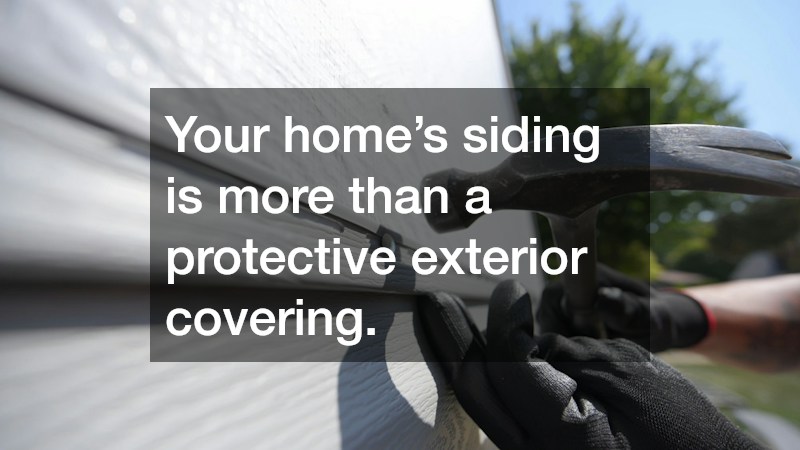
Your home’s siding is more than a protective exterior covering. It is a defining design feature that influences curb appeal, architectural character, and the impression your property creates.
Choosing complementary materials, coordinating colors, incorporating thoughtful design details, and prioritizing proper installation can transform an outdated exterior. Regular maintenance helps preserve these improvements and keeps your property looking inviting.
Whether you’re considering a complete replacement or smaller exterior updates, approaching the project with a clear vision can help you achieve an attractive, cohesive result. With quality materials, professional workmanship, and ongoing care, your home’s exterior can remain a source of pride for years to come.