Arizona presents one of the most demanding environments in North America for residential and commercial structures. While outsiders may only think of the state as a place of endless sunshine, those who live here know that the climate is defined by extreme thermal shifts, intense ultraviolet radiation, and the violent arrival of the summer monsoon. When it comes time to repair or replace a system, hiring a local roofing contractor is the only way to ensure that the materials and installation methods used are specifically engineered to survive these unique desert variables.
The Silent Killer: Ultraviolet Degradation
In many parts of the country, a roof fails because of age or moisture. In Arizona, the primary cause of failure is often UV radiation.
The sun in the Southwest is relentless, and at high altitudes or on the desert floor, the radiation levels can accelerate the chemical breakdown of roofing materials. Asphalt shingles that are not specifically designed with high-reflectivity granules can become brittle and lose their water-shedding capabilities in half the time they would in a cooler climate.
A local expert understands that “heat-rated” isn’t just a marketing term; it is a necessity. They select products that feature advanced UV inhibitors and specialized resins that remain flexible even after years of baking in 110-degree heat. By choosing materials that reflect rather than absorb solar energy, a local pro helps protect the underlayment from “cooking” beneath the surface.
Managing the Intensity of the Monsoon
The Arizona monsoon is a weather phenomenon that brings a combination of microburst winds, torrential downpours, and haboobs—massive dust storms. These events place a mechanical stress on a roof that a contractor from a different region might not anticipate. For example, during a microburst, wind speeds can suddenly exceed 60 or 70 miles per hour, creating uplift that can peel away shingles or tiles that aren’t secured according to regional standards.
Thermal Shock and the Expansion Cycle
One of the most overlooked aspects of Arizona weather is the dramatic temperature swing between day and night, particularly in the spring and fall. A roof can reach 160 degrees in the afternoon sun and drop to 60 degrees by midnight. This rapid cooling causes materials to contract quickly, a phenomenon known as thermal shock.
Over time, this constant expanding and contracting can cause fasteners to back out, sealants to crack, and tiles to shift. Local roofing experts choose high-grade, flexible sealants and specific fastening patterns that allow for this movement without compromising the seal. They understand the “coefficient of expansion” for different materials used in the desert, ensuring that the metal flashing and the primary roofing material don’t pull apart at the seams during a cold October night.
The Haboob Factor: Dust and Debris
The dust storms that precede monsoon rain are more than just a visibility issue; they are a roofing issue. Fine desert silt can find its way into every crack and crevice of a roof. When this dust settles into the drainage tracks of a tile roof and then meets a heavy rain, it creates a “mud” that can clog the weep holes designed to let moisture escape from the underlayment.
A contractor who lives and works in Arizona knows how to design a tile system that remains breathable and easy to clear. They understand the importance of bird stops and batten strips that allow for proper airflow and drainage, preventing the “mud-clog” effect that leads to early rot in the wood structure beneath the tiles.
Local Materials for a Local Market
Finally, a regional expert has access to and experience with the specific brands that have proven themselves in the Arizona heat. Whether it is a certain type of modified bitumen for a flat roof in Scottsdale or a specific “cool roof” tile for a home in Tucson, they know what works. They aren’t experimenting with your home; they are using a localized playbook that has been refined over decades of dealing with the Southwest sun.
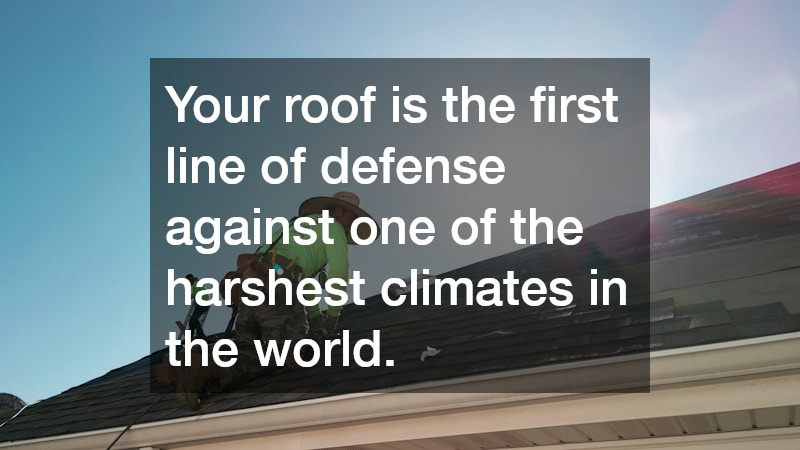
Your roof is the first line of defense against one of the harshest climates in the world. While a national company might offer a standard package, it often lacks the “boots on the ground” experience required to anticipate the specific stresses of the Arizona desert. By choosing a local roofing contractor who understands the local weather patterns, you aren’t just buying a roof; you are buying a system that is built to thrive in the heat, survive the storms, and protect your home for decades.