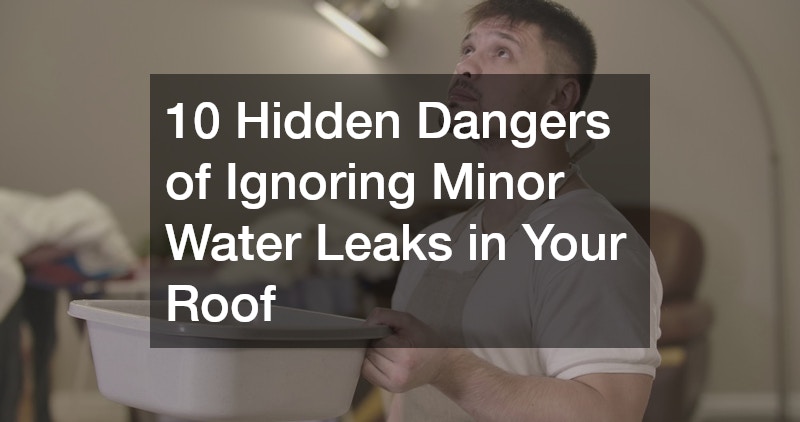
The perception that a small, occasional drip from the roof is a minor annoyance that can be easily deferred often leads to catastrophic, costly damage that far exceeds the price of a simple repair. A seemingly insignificant pinhole leak acts as a persistent entry point for moisture, allowing water to saturate hidden structural components and insulation over time. This slow, insidious water intrusion creates a fertile, dark environment ideal for mold growth, compromises the integrity of the home’s framing, and gradually diminishes the efficiency of the entire thermal envelope. By the time a leak becomes visibly apparent on the ceiling, the damage to the interior substructure is already extensive, transforming a simple fix into a massive, complex, and high-dollar structural remediation project. Proactive and immediate action is the only defense against this exponential escalation of decay.
Leading to Extensive Structural Deterioration
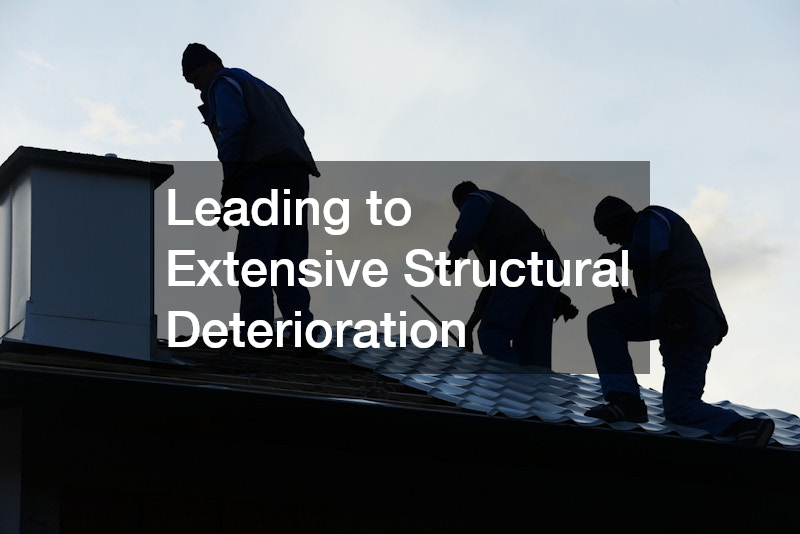
Minor leaks, even those that introduce only small amounts of water, continuously saturate the wood sheathing, rafters, and ceiling joists that form the home’s structural skeleton. Over time, this chronic moisture exposure leads to wood rot, weakening the load-bearing capacity of the framework and potentially compromising the roof’s ability to withstand heavy snow loads or high winds. The deterioration is often hidden within the attic or behind finished walls, meaning the structural compromise can advance silently for months or years, creating a major safety hazard that remains unseen until a catastrophic event occurs.
By the time the roof deck is compromised, the necessary repairs extend far beyond replacing shingles. Addressing this deep decay often requires engaging a professional restoration company to completely strip the damaged section of the roof, remove all rotted wood substructure, and rebuild the compromised section of the framing before a new roof can be safely installed. This work requires both carpentry and structural expertise to correct the long-term deterioration that began with a small, ignored drip.
Promoting Rapid Mold and Mildew Growth
One of the most immediate and dangerous consequences of water intrusion is the rapid onset of mold and mildew, which thrive in the damp, dark, and often poorly ventilated environment of an attic space or wall cavity. Mold not only causes extensive damage to wood, drywall, and insulation but also poses a severe health risk, especially for occupants with respiratory issues, allergies, or compromised immune systems. Once established, mold spores circulate throughout the home’s HVAC system, necessitating complex and costly professional abatement procedures to fully eradicate the contamination.
Since the growth of toxic black mold and pervasive mildew is accelerated by chronic moisture, eliminating the underlying source of the water is only the first step in a multi-phase cleanup. Controlling the spread and safely removing the contaminants requires specialized intervention. Hiring a professional water damage restoration company ensures that the affected materials are safely isolated, removed, and properly disposed of, and that the area is treated with commercial-grade antimicrobial agents to prevent re-growth before new materials can be installed.
Compromising the Home’s Energy Efficiency
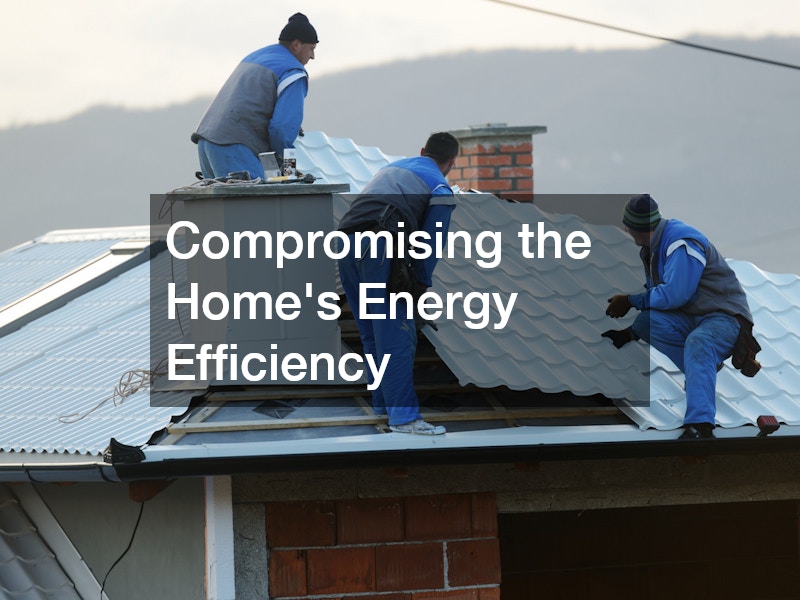
A persistent water leak, even if minor, inevitably leads to the saturation and matting down of the attic insulation—whether fiberglass batts or blown-in cellulose—in the area immediately surrounding the penetration point. Damp insulation loses virtually all of its thermal resistance, or R-value, creating cold spots in the ceiling and allowing massive amounts of conditioned air to escape into the attic or exterior environment. This localized failure forces the home’s HVAC system to run longer and harder to maintain the desired temperature, directly contributing to drastically inflated utility bills.
Addressing the leak in the roof is meaningless if the damaged insulation is not simultaneously replaced, as the thermal envelope will remain compromised. A high-quality roofing company understands that their service extends beyond the exterior layer and involves inspecting and replacing any insulation that has become water-damaged or compressed due to prolonged moisture exposure. This comprehensive approach is essential for restoring the home’s energy efficiency and preventing the continued escape of heated or cooled air through the attic space.
Causing Severe Electrical Hazards
A particularly dangerous consequence of ignoring a water leak is the direct contact between moisture and the electrical wiring, junction boxes, or light fixtures embedded in the ceiling and attic. Water is conductive, and its contact with live wiring creates an immediate and severe risk of short circuits, electrical fires, or fatal shock hazards for anyone accessing the attic or touching a wet fixture. Even a slow drip can cause corrosion and rust within electrical boxes, leading to intermittent power failures and the eventual complete breakdown of the circuit.
When water is actively dripping onto or near electrical components, the remediation process requires immediate, specialized attention to mitigate the life-threatening danger. Engaging a professional water damage company ensures that safety protocols are strictly followed, power is secured, and the full extent of the electrical damage is assessed. This professional intervention includes coordinating with a licensed electrician to safely dry, repair, or completely replace all compromised wiring and fixtures before any structural or cosmetic repairs can safely begin.
Diminishing Attic and Insulation Health
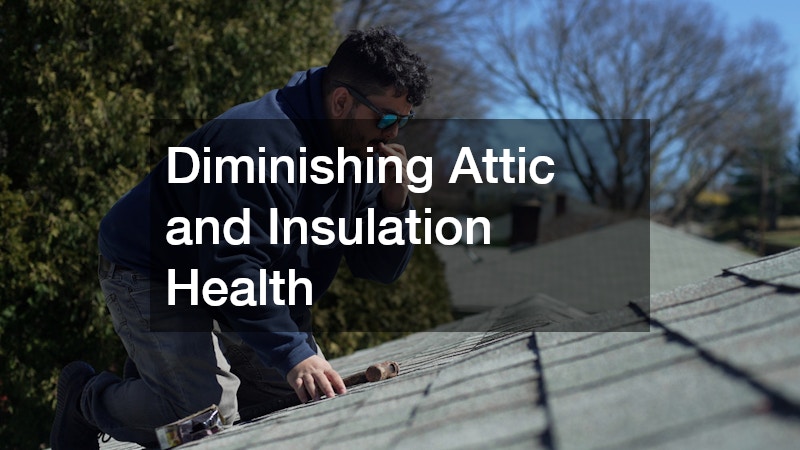
The attic is designed to be a dry, ventilated buffer space that separates the living area from the exterior environment, protecting the insulation and the structural members. Any persistent moisture intrusion from the roof compromises this fundamental function, saturating the wood framing and creating micro-environments where stagnant dampness can lead to chronic wood decay and fungal growth. The entire air quality of the home can be adversely affected by the attic’s health, as air naturally moves from lower living spaces up into the ceiling.
A minor leak allows water to wick through insulation materials, spreading moisture laterally and horizontally across the ceiling structure, contaminating large sections far away from the initial entry point. Relying on a comprehensive roofing service means entrusting the contractor not only with patching the breach but also with fully inspecting the surrounding attic space, including the entire insulation field and ventilation system, for secondary signs of saturation or chronic dampness. Their holistic inspection ensures that the conditions for healthy, dry insulation are immediately restored.
Requiring Costly Internal Remediation
When a minor roof leak is ignored, the resulting damage invariably extends past the attic and structural members, manifesting as visible, often severe, damage to the interior finishes of the living spaces below. This commonly includes staining, bubbling, or sagging of drywall and plaster ceilings, peeling paint, and the ruination of expensive light fixtures or crown molding. Once the damage becomes visible internally, the required repair work shifts from a simple external patch to a complex, multi-trade interior demolition and reconstruction project that significantly increases the total remediation cost.
The true financial hit from an unaddressed leak is realized when the homeowner must factor in the extensive cost of tearing out, drying, and rebuilding the compromised interior elements. Utilizing professional water restoration services is required to manage the full scope of interior damage, which involves moisture mapping the affected drywall and plaster, safely extracting pooled water, utilizing specialized commercial drying equipment, and coordinating the reconstruction of the ceiling and wall finishes to match the surrounding, undamaged areas seamlessly. This internal restoration work alone often dwarfs the cost of the original roof repair.
Incurring Substantial Repair Costs
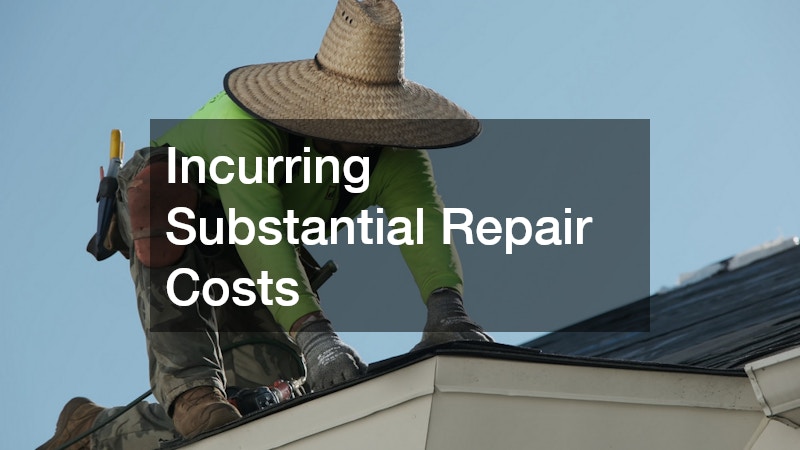
The cost difference between proactively fixing a small, identifiable leak and reactively addressing the catastrophic damage from a neglected one is astronomical, making the decision to defer repair a financially disastrous false economy. A simple, localized repair involving a few damaged shingles or flashing replacement might cost a few hundred dollars, while the subsequent damage from that same leak—including structural wood replacement, mold abatement, insulation remediation, and interior ceiling repair—can easily escalate into tens of thousands of dollars. The longer the leak persists, the more expensive the final bill becomes.
To mitigate the escalating costs associated with hidden structural damage and decay, homeowners must secure bids from professional, local experts for immediate, decisive repairs. Consulting with certified local roofing contractors ensures that the repair is done correctly, using matching materials and adhering to code, preventing re-leakage. These professionals provide accurate assessments of the initial damage and ensure the repair is comprehensive, providing a cost-effective alternative to the astronomical expense of a full-scale water damage restoration project down the line.
Affecting Resale Value and Appraisal
For any homeowner contemplating a future sale, the presence of current or past water damage—especially visible stains on ceilings, evidence of attic mold, or sagging drywall—serves as an immediate, massive deterrent to potential buyers and drastically reduces the property’s appraised value. Buyers will either walk away entirely or demand a severe price reduction far greater than the actual cost of repair, as they fear hidden, unresolved structural or mold issues. A property with a compromised or aging roof signals deferred maintenance, diminishing its market appeal and financial equity.
During the pre-sale inspection or appraisal process, any sign of chronic water intrusion will be immediately noted, triggering demands for extensive repairs or substantial escrow holdbacks. Engaging reputable roofing contractors before listing the property allows the homeowner to preemptively address any existing leaks, repair underlying damage, and provide a clear, transferable warranty for the work. This proactive measure not only maximizes the appraisal value but also eliminates the single greatest point of negotiation and concern for potential purchasers.
Needing Specialized Cleanup Professionals
Once water damage progresses beyond superficial staining and has saturated structural materials over a period of time, the cleanup process becomes far more complex than simple drying, necessitating specialized equipment and protocols to ensure complete remediation. Traditional cleaning methods are insufficient for removing deep moisture pockets, preventing the rapid spread of microbial growth, and safely disposing of contaminated building materials. The successful recovery of the affected area depends entirely on professional-grade intervention.
When the damage involves large areas of saturation, the homeowner requires experts who specialize in drying and mitigation science to halt the decay process immediately. Contracting a certified local water damage company ensures that high-capacity commercial dehumidifiers, air scrubbers, and specialized moisture mapping tools are deployed to remove all hidden moisture from the structure, preventing further mold and bacterial growth. Their localized expertise allows for rapid mobilization, which is critical in the first 24-48 hours after a leak is discovered to minimize structural contamination.
Demanding Full-Scale Restoration Efforts
The ultimate and costliest danger of ignoring a minor leak is the eventual requirement for a complete, multi-phase structural and cosmetic overhaul of the affected area, transforming a simple repair into a comprehensive building project. Full-scale restoration involves not only fixing the roof itself but also coordinating the work of water mitigation specialists, structural carpenters, mold remediators, electricians, and finishing contractors (drywall, paint). This logistical complexity and the sheer volume of labor and material required represent the maximum financial consequence of negligence.
To return the home to its pre-loss condition after extensive hidden water damage, the homeowner must rely on integrated project managers capable of handling all aspects of the rebuild. Consulting with full-service restoration companies ensures that the entire process—from initial demolition and drying to mold abatement and final aesthetic reconstruction—is managed under a single contract. These firms possess the licenses, equipment, and expertise to handle the diverse scope of work required to fully reverse the severe, cumulative damage caused by chronic, unaddressed water intrusion.
Final Thoughts
The seemingly minor water leak in a roof represents a profound and often unseen threat to a home’s structural integrity, health safety, and financial value. The decision to ignore this small problem initiates a destructive, compounding process that leads to severe structural wood rot, the rapid proliferation of hazardous mold, costly damage to interior finishes, and a critical compromise of the home’s thermal efficiency. By the time the damage becomes visually apparent, the required remediation has escalated from a simple, inexpensive roof patch to a massive, multi-trade project requiring specialized water damage companies and full-scale restoration efforts. Prudence demands that homeowners treat every detected roof leak as an immediate, high-priority emergency, ensuring that the necessary repairs are executed by professional roofing contractors to safeguard the structural health and financial equity of the property against this insidious, silent decay. We hope this guide was able to help you better understand the dangers of a leaky roof.