Hidden leaks rarely announce themselves. They don’t burst dramatically or flood the kitchen overnight. More often, they begin quietly—behind drywall, under shingles, beneath tile, or along a foundation wall where no one is looking. Months later, you notice a faint stain on the ceiling. A musty smell lingers. A patch of flooring feels slightly soft under your feet. By then, what started as a small seasonal issue has grown into structural damage, mold growth, or rising utility bills.
The frustrating part is that most hidden leaks are preventable. They tend to follow predictable seasonal patterns: heavy spring rains, summer ground expansion, autumn temperature swings, and winter freezing. If you adjust your home maintenance routine with the seasons, you dramatically reduce the risk of moisture intrusion.
This guide walks through practical, season-by-season strategies to help you catch vulnerabilities early—before they turn into expensive repairs.
Spring: Inspect Rooflines and Drainage Before Heavy Rains

Spring is when many homeowners discover what winter did to their roof. Snow loads, freeze-thaw cycles, and wind can quietly loosen shingles and clog drainage systems. When spring storms arrive, water finds the weakest point.
Start at the roofline and work your way down.
One of the most common causes of spring leaks is neglected gutters. When debris accumulates over the winter, water backs up under shingles instead of flowing away from the house. If you’re comfortable on a ladder, inspect for compacted leaves and granule buildup. If not, hiring professional gutter cleaning services can be a smart seasonal investment. Overflow marks along the siding or sagging sections are signs that drainage has already been compromised.
After clearing gutters, examine downspouts. They should extend several feet away from the foundation. If water pools near the base of your home, it increases hydrostatic pressure against basement walls, eventually forcing moisture through tiny cracks.
Don’t forget to:
- Look for shingle edges that appear curled or lifted.
- Check flashing around chimneys and vents.
- Inspect the attic for damp insulation or darkened wood sheathing.
Spring maintenance isn’t glamorous, but it’s powerful. Every gallon of water properly diverted is one less gallon testing your home’s structural envelope.
Spring: Remove Exterior Hazards Before Storm Season
Trees add beauty, shade, and value to your property—but they can also quietly damage your roof.
Picture this: a branch lightly scrapes your shingles every time the wind picks up. You don’t notice it from the ground. Over months, that friction wears down protective granules. When heavy rain arrives, the compromised area absorbs water.
Walk your property and look up. Branches should be trimmed back at least 6-10 feet from the roofline. Pay special attention to dead limbs or leaning trunks. Early spring is ideal for pruning because foliage hasn’t fully returned, making structural problems easier to see.
If a tree is diseased, hollow, or structurally unstable, professional tree removal may be the safest choice. While it can feel like a large upfront expense, compare it to the cost of repairing roof decking, insulation, and interior ceilings after a storm-related impact.
After strong winds, inspect your roof from the ground with binoculars. Missing shingles, scattered debris, or bent flashing deserve prompt attention. A quick response now prevents water from exploiting small openings during the next rainfall.
Summer: Monitor Water Features and Soil Movement

Summer heat creates a different kind of risk. Soil expands and contracts as it dries, shifting around foundations and underground plumbing lines. If your home has an inground pool, this season demands extra attention.
Pool owners sometimes notice gradual water loss and assume evaporation is to blame. But unexplained drops in water level—especially more than a quarter inch per day—can indicate underground leakage. Walk around the perimeter and look for:
- Soggy patches of grass.
- Areas of soil that appear to be sinking.
- Cracks are forming in surrounding decking.
Water that escapes underground doesn’t simply disappear. It migrates. Over time, it can undermine concrete slabs or increase pressure against your foundation.
Seal visible cracks in patios and pool decks before they widen. Flexible exterior sealants prevent surface water from filtering downward. Also, inspect expansion joints around coping stones; these are common points of failure.
Summer is also a good time to observe grading. Does rainwater flow away from your home, or does it settle in low spots? Correcting minor grading issues now helps prevent foundation leaks when autumn rains return.
Summer: Secure Garage and Entry Points Against Stormwater
Garages are often overlooked in leak prevention. Because they’re not fully finished living spaces, minor water intrusion may go unnoticed—until stored belongings are damaged or moisture spreads into adjoining rooms.
Start by inspecting your overhead doors. The bottom rubber seal should sit flush against the concrete. If you see daylight beneath the door when it’s closed, water can enter just as easily. Replace worn weather stripping promptly.
Stand inside the garage during a heavy rainstorm if possible. Observe whether water seeps under the door or through the side trim. If pooling occurs near the entrance, examine the driveway slope. Water should flow away from the structure, not toward it.
Address vulnerabilities methodically:
- Replace brittle or cracked seals.
- Caulk gaps around door framing.
- Ensure gutters above the garage are not overflowing.
- Check that any nearby landscaping does not direct water toward the slab.
Small garage leaks may seem harmless, but persistent moisture can seep into shared walls, eventually affecting drywall, insulation, and flooring in adjacent rooms.
Fall: Protect Plumbing Before Freezing Temperatures
Fall is the quiet transition season when proactive maintenance pays dividends. Before temperatures dip, take time to evaluate your home’s plumbing system.
Frozen pipes are among the most common winter leak sources. When water expands inside pipes, it creates internal pressure that can split fittings or joints. Often, the rupture isn’t discovered until thawing occurs.
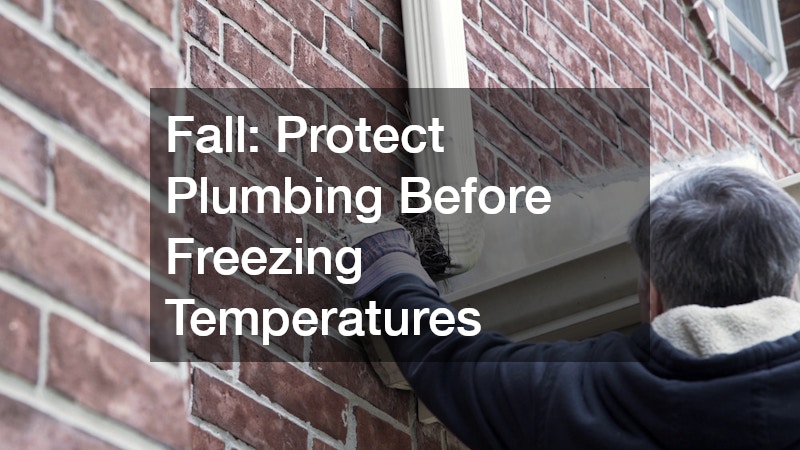
Start outdoors. Disconnect garden hoses and drain exterior faucets. Insulate exposed pipes in crawl spaces or garages. Indoors, inspect visible supply lines under sinks for corrosion or mineral buildup.
If you’re unsure about your system’s overall condition, consider scheduling a preventative inspection with a reputable plumbing company. They can test water pressure, examine shut-off valves, and identify slow leaks that might otherwise remain hidden behind walls.
Watch for subtle warning signs:
- Unexplained spikes in your water bill.
- Reduced water pressure in certain fixtures.
- Damp cabinet interiors beneath sinks.
Addressing minor plumbing concerns in the fall is far easier than dealing with burst lines in January.
Fall: Safeguard Detached Structures and Outbuildings
Detached garages, workshops, and storage buildings often receive less attention than the main home. Yet they are just as vulnerable to seasonal leaks.
If you own a barn-style outbuilding, examine roofing panels and fasteners closely. Metal fasteners can loosen over time due to temperature changes. Tiny gaps allow rainwater to seep beneath panels and drip onto stored equipment.
Walk the perimeter and assess grading. Does the soil slope toward the structure? Pooling water around a slab foundation increases moisture intrusion risk.
Pay attention to utility penetrations—areas where electrical conduit or plumbing lines enter the building. Seal gaps with weather-resistant materials.
In cases where structural issues are evident—such as shifting posts or significant roof sag—consulting an experienced pole barn builder can help identify underlying problems before they worsen.
Fall’s mild weather makes it ideal for these inspections. Once winter arrives, access becomes more difficult and repairs more urgent.
Winter: Control Bathroom Moisture Before It Spreads

Winter encourages indoor humidity buildup. Hot showers, cooking, and tightly sealed windows combine to trap moisture inside.
Bathrooms are especially vulnerable. Examine caulking along tubs and shower enclosures. If you notice cracking, peeling, or mildew that returns quickly after cleaning, moisture may be seeping behind surfaces.
Pay close attention to glass shower doors. Their seals and hinges can deteriorate over time, allowing water to escape onto the flooring or behind wall panels. After showering, observe whether water pools outside the enclosure.
Ventilation is equally important. Run exhaust fans during and for at least 20 minutes after bathing. If mirrors remain fogged long afterward, your fan may be underpowered or clogged.
Consider adding a small dehumidifier during peak winter months. Keeping indoor humidity between 30-50 percent reduces condensation that can otherwise collect inside wall cavities and attic spaces.
Winter: Address Drafts and Window Seal Failures
Cold weather exposes weaknesses in window systems. You may notice condensation forming between panes or drafts near frames. These symptoms often indicate seal failure.
Inspect each window slowly. Run your hand along the perimeter on a cold day to detect airflow. Examine exterior caulking for cracks or separation from siding.
If a pane is visibly cracked or moisture is trapped between double-glazed layers, glass replacement may be necessary. Delaying this repair allows cold air infiltration, which can increase heating costs and create condensation problems inside wall assemblies.
Simple improvements can go a long way:
- Replace brittle weather stripping.
- Re-caulk exterior trim.
- Install temporary insulation film during extreme cold snaps.
By reducing drafts, you not only prevent hidden leaks from condensation but also improve energy efficiency throughout the winter season.
Year-Round: Watch for Subtle Interior Warning Signs

Not all leaks begin outside. Some originate beneath your feet.
Loose or cracked floor tiles can signal shifting subfloors caused by moisture. If tiles begin separating at grout lines, don’t assume it’s merely cosmetic. Lift a compromised tile carefully if possible and inspect for dampness beneath.
Baseboards that warp or pull away from walls may indicate slow leaks from behind. In kitchens and bathrooms, especially, check for discoloration or softness along lower drywall edges.
Consider investing in a handheld moisture meter. These inexpensive devices can detect elevated moisture levels in drywall or wood long before visible damage appears.
Homeowners often dismiss faint musty odors as seasonal quirks. In reality, scent is one of the earliest clues that water is present where it shouldn’t be. Trust your senses. If something smells persistently damp, investigate.
Year-Round: Keep Electrical Systems Safe from Moisture
Water and wiring are a dangerous combination. Even minor leaks can compromise safety if they affect circuits or fixtures.
Inspect outlets near sinks, laundry areas, and basements for discoloration or corrosion. If you notice flickering lights or frequently tripped breakers, moisture may be interfering with electrical work behind the scenes.
Outdoors, check that lighting fixtures are properly sealed and that conduit connections remain tight. Replace cracked covers promptly.
If you suspect water exposure within walls, avoid attempting DIY repairs involving wiring. A licensed professional can evaluate whether circuits have been compromised and ensure that hidden moisture has not created a hazard.
Maintaining dry electrical systems protects not only your home’s structure but also the safety of everyone inside.
Building a Sustainable Maintenance Routine

Seasonal maintenance is not about perfection. It’s about awareness and consistency.
Think of your home as a system: roof, drainage, plumbing, foundation, and interior finishes all interact. When one component fails, others absorb the impact. By adjusting your inspections to match seasonal risks, you interrupt that chain reaction.
Create a simple rotating checklist tied to the calendar. Schedule reminders for spring roof inspections, summer exterior reviews, fall plumbing preparation, and winter interior moisture checks. Spread tasks throughout the year so maintenance feels manageable rather than overwhelming.
If you’ve ever faced an unexpected repair bill, you already understand how quickly small issues escalate. A $20 seal can prevent thousands in structural damage. An hour spent clearing debris can save days of drying and restoration work. The goal isn’t to turn into a full-time home inspector—it’s to stay observant. Walk your property after storms. Pay attention to new sounds, smells, or stains. Homes communicate problems early; consistent attention ensures you hear them before they become emergencies.
Over time, this steady approach builds confidence. Instead of reacting with stress when something goes wrong, you’ll recognize patterns and address concerns quickly. You’ll also begin to understand how your home behaves in different weather conditions—where water tends to collect, which areas dry slowly, and which components need more frequent attention. That familiarity reduces surprises and helps you budget for maintenance proactively. Small, regular check-ins transform homeownership from a cycle of costly repairs into a manageable, predictable routine that protects both your property and your peace of mind.
The reward isn’t just preventing leaks. It’s lowering monthly utility bills through improved insulation, reduced water waste, and better overall efficiency. It’s avoiding emergency repair costs. And perhaps most importantly, it’s the peace of mind that comes from knowing your home is protected from the inside out.
Hidden leaks thrive on neglect. Consistent, thoughtful care ensures they never get the chance.