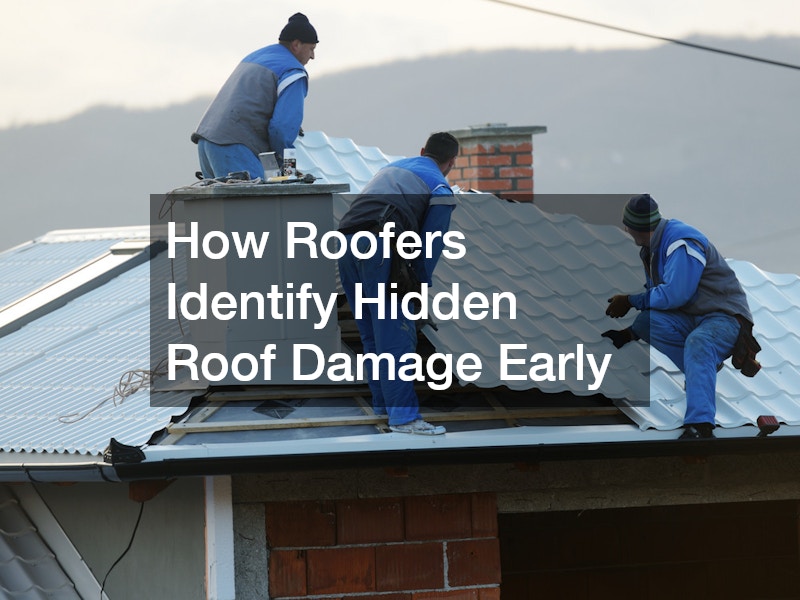
A leaking roof is one of the most destructive issues a homeowner can encounter, threatening structural framing, ruined insulation, drywall damage, and hazardous mold growth. Because water always follows the path of least resistance, an active drip inside your living room often originates far from the visible stain on the ceiling. Pinpointing vulnerabilities before moisture infiltrates the home requires a clear understanding of where and why roofing assemblies break down over time. Proactive inspection and preventative maintenance are the most effective ways to preserve structural integrity, prevent costly interior repairs, and extend the functional lifespan of your overhead weather barrier.
Preventing extensive water damage requires identifying common failure points across both roofing materials and adjacent exterior penetrations. From degraded shingles and corroded sheet metal flashing to backed-up drainage networks and deteriorating masonry, several interdependent components work together to keep a home dry. When one part of the system fails, moisture quickly exploits the gap and rots underlying roof decking. Understanding these common failure points empowers homeowners to spot early warning signs, take swift corrective action, and partner with qualified trade professionals before minor moisture intrusion escalates into widespread structural damage.
Cracked and Aging Shingles
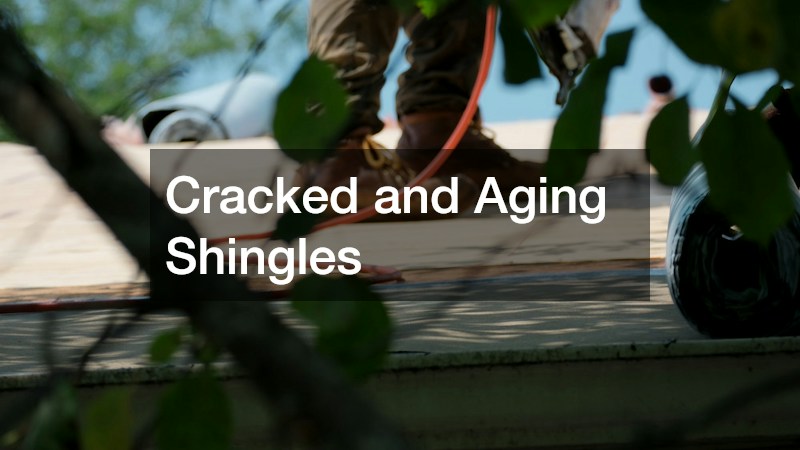
Asphalt shingles endure relentless daily exposure to harsh ultraviolet rays, freezing temperatures, heavy rainfall, and windstorms. Over years of environmental exposure, shingles lose their protective mineral granules, drying out and becoming brittle. This drying process causes shingles to curl, cup, crack, or split along stress lines, exposing the underlying underlayment and roof sheathing directly to driving rain. Scheduling comprehensive seasonal assessments with local roofing companies ensures aging shingles are caught early, allowing homeowners to replace brittle patches before persistent moisture rots the wooden deck below.
Granule loss also accelerates shingle degradation, leaving the underlying asphalt matting bare and defenseless against the sun’s heat. When large patches of granules wash down gutters or collect around downspouts, the roof’s waterproofing ability is severely compromised. Walking on an aging, brittle roof to inspect it can easily crack older shingles further, creating new leak points. Relying on professional visual evaluations and drone inspections allows you to safely monitor shingle flexibility, assess total granule retention, and plan timely shingle replacements before an active leak damages interior living spaces.
Poor Initial Shingle Installation
Even the most durable, premium roofing materials will fail prematurely if they are improperly fastened during initial construction. Common installation mistakes include misaligned shingle rows, high nailing where nails miss the designated sealing strip, or nails driven too deep, which tears through the asphalt layer. Incorrectly placed fasteners allow wind to easily catch and lift shingles, breaking the thermal adhesive seal that binds rows together. Contracting experienced specialists for every roof install guarantees that nail gun air pressures, fastener depth, and exposure lines match strict manufacturer specifications, protecting the installation under warranty.
Inadequate underlayment installation and sloppy valley layering also create immediate avenues for subsurface water infiltration. Skipping self-adhering ice and water protection along eaves and inside valley creases invites wind-driven rain and ice dams to seep beneath surface shingles. When installers rush the job or ignore local building codes, structural leaks can emerge during the very first heavy rainstorm. Investing in meticulous, code-compliant craftsmanship ensures that your roof is built to withstand heavy weather from day one, preventing early water leaks and costly premature replacements.
Damaged and Corroded Flashing
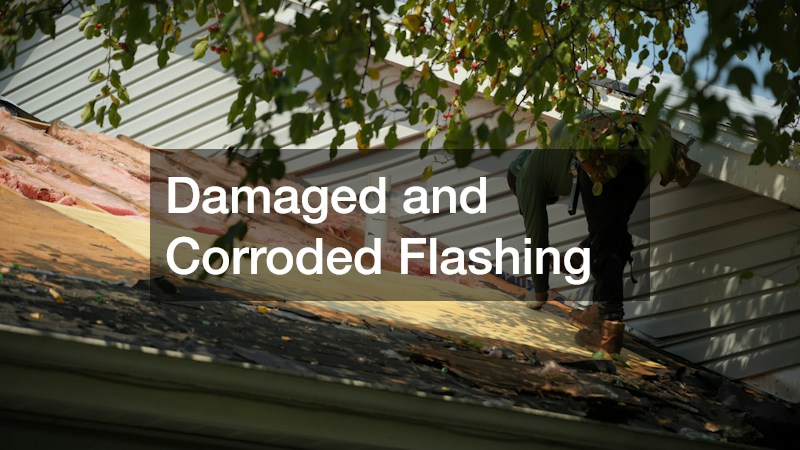
Flashing consists of thin sheets of galvanized steel, aluminum, or copper installed along roof valleys, dormers, sidewalls, and roof edges to direct rushing rainwater away from critical joints. Because these metal pieces sit in areas that experience high-volume water flow, any gaps or corrosion can channel gallons of runoff directly into the home. Over time, thermal expansion and contraction can pull flashing away from decking, break caulk seals, or cause the metal to rust through. Partnering with a skilled roofing contractor ensures bent, rusted, or loose flashing is properly removed, re-laid with fresh ice and water barrier, and counter-flashed correctly into masonry or siding.
Relying on temporary fixes like spreading thick roofing tar over damaged flashing offers only short-term protection, as tar quickly dries, cracks, and pulls away under summer sun. Valley flashing is especially vulnerable because debris like leaves and twigs can accumulate along the metal seam, holding moisture against the fasteners and accelerating oxidation. Professional roofers replace worn valley metal with wide, durable continuous strips that handle heavy rain runoff smoothly. Keeping metal flashing sealed, clean, and properly fastened preserves the most vulnerable junctions across your entire roof.
Clogged and Overflowing Gutters
Gutters play a critical role in roof preservation by collecting roof runoff and directing it safely away from the home’s fascia, soffits, and foundation. When gutters fill with fallen leaves, pine needles, twigs, and shingle granules, rainwater has nowhere to flow and pools along the roof’s drip edge. During heavy downpours, backed-up water overflows behind gutter troughs, soaking the wooden fascia boards and wicking upward beneath the first course of shingles. Consulting with local roofers helps homeowners evaluate water damage along the eaves, replace rotted fascia backing, and install protective drip edge metal to shield exposed roof sheathing.
In colder winter climates, clogged gutters directly contribute to the formation of destructive ice dams. Trapped water in the gutter trough freezes solid, preventing melting snow from draining off the warm roof plane. As pooled snowmelt backs up behind the ice ridge, it works its way under shingles, melting through the underlayment and pouring into attic insulation and ceilings below. Routine gutter cleaning every spring and fall—combined with gutter guard installations—keeps water moving freely off the roof and prevents costly water intrusion along exterior walls.
Severe Wind and Storm Impact
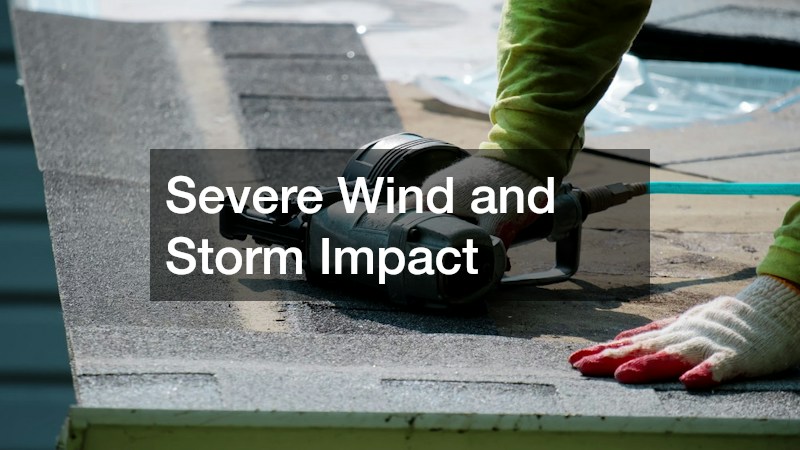
High-velocity windstorms and severe weather can cause immediate, catastrophic damage to an otherwise healthy roof system. Strong gusts create aerodynamic uplift along roof eaves and ridges, peeling back shingles and exposing large sections of bare roof deck to driving rain. Flying tree limbs and heavy hail can puncture shingles, crack wooden decking, or dent protective metal vents. Securing rapid assistance from an emergency roofer ensures that exposed holes and torn shingles are immediately covered with heavy-duty tarps, preventing thousands of dollars in sudden interior water damage while permanent repairs are arranged.
Storm damage is not always obvious from ground level; hail impacts often leave behind subtle bruising that breaks the inner fiberglass matting without tearing the visible surface of the shingle. Over subsequent weeks, the bruised shingle loosens its granules, allowing rain to seep through the micro-fractures in the asphalt layer. Having your roof evaluated promptly following severe hail or wind storms provides the documented photographic proof required for insurance claims. Fast, professional storm response stops active ceiling leaks, protects home equity, and restores protective exterior boundaries.
Deteriorated Plumbing Vent Boots
Plumbing vent pipes penetrate the roof deck to regulate air pressure in your home’s drainage system and exhaust sewer gases outdoors. To prevent rain from running down the exterior of these vertical pipes into the attic, installers fit them with specialized flashing components called vent boots, typically made of plastic, lead, or copper with a flexible neoprene rubber collar. Relentless exposure to ultraviolet radiation, intense summer heat, and winter freezes causes the rubber collar to dry out, lose elasticity, and crack over time. Engaging professional roofing businesses ensures that brittle or split boots are replaced before water trickles down the vent pipe and damages bathroom or kitchen ceilings below.
Because vent pipes are relatively small penetrations, damaged rubber seals are frequently overlooked until visible water rings appear on interior drywall. Standard temporary patches, like applying silicone caulk around a cracked rubber gasket, break down rapidly under direct sunlight and temperature shifts. A permanent repair requires sliding the old flashing up and off the pipe, replacing rotted decking around the penetration if necessary, and weaving a brand-new boot under the upper course of shingles. Replacing aging pipe boots proactively every ten to fifteen years protects interior ceilings from insidious, hard-to-track leaks.
Failing Seals Around Skylights
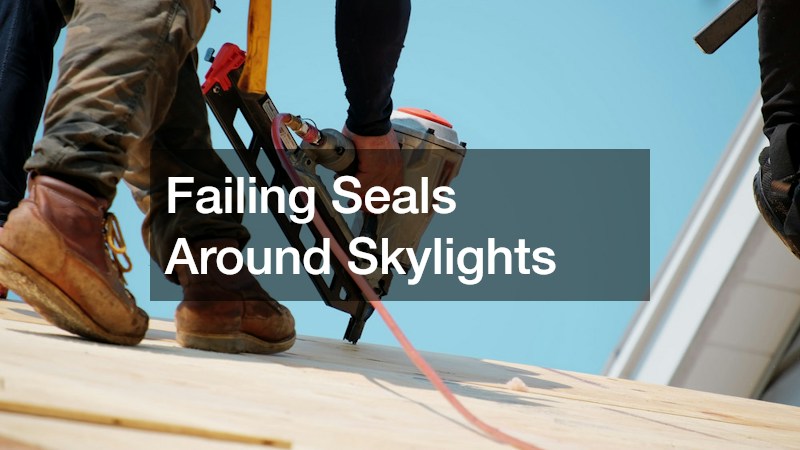
Skylights provide natural daylight and architectural appeal to interior living areas, but they also create large, vulnerable cutouts in the roof plane. A skylight leak typically stems from decayed perimeter rubber gaskets, clogged exterior drainage weep holes, or improper step flashing layered around the frame during initial placement. As seasonal temperature shifts cause the skylight glass, metal frame, and surrounding roof deck to expand and contract at different rates, older sealant beads break away, opening paths for rainwater intrusion. Partnering with a skilled roofing repair specialist ensures the window unit is disassembled, re-flashed, and weather-sealed with commercial-grade membranes designed to flex under thermal movement.
Condensation inside the skylight frame is often confused with an active roof leak, making professional diagnosis essential. High interior humidity levels in bathrooms or kitchens can cause water to collect on the cold underside of the glass and drip onto sills, mimicking an exterior breach. If water stains appear on the drywall framing around the skylight well during heavy rains, however, exterior water infiltration is the culprit. Re-flashing the skylight and integrating self-adhering waterproofing barriers around the curb eliminates continuous leaks without necessarily requiring a full window replacement.
Leaks at Adjacent Wall Intersections
Where a roof slope terminates against a vertical exterior wall—such as along dormers, second-story bump-outs, or attached garages—water runoff flows with immense velocity. These critical intersections rely on a combination of step flashing interwoven with each shingle row and counter-flashing integrated behind the exterior wall cladding to guide water downward. If siding panels crack, warp, or pull loose, wind-driven rain penetrates behind the wall covering and flows straight down into the unsealed wall cavity beneath the roof line. Consulting with experienced siding companies ensures that damaged wall panels, missing kick-out flashing, and rotted corner boards are repaired to preserve a watertight joint between walls and roof planes.
Kick-out flashing, in particular, is one of the most critical yet frequently omitted components at roof-to-wall transitions. Without a properly angled kick-out diverter at the eave’s edge, water rushing down the roof sidewall rolls directly behind the exterior siding instead of dumping safely into the gutter trough. Over months or years, this hidden moisture rots exterior wall studs, disintegrates wall sheathing, and breeds toxic mold before displaying outward symptoms indoors. Ensuring that vertical wall coverings and step flashing work harmoniously keeps runoff moving away from structural wall framing.
Damaged Brick and Mortar
Chimneys act as massive stone or brick towers that absorb the full brunt of harsh weather from every direction. Because brick and mortar are naturally porous materials, they absorb moisture during rainfall. In cold winter climates, trapped water freezes, expands, and breaks apart mortar joints in a destructive process known as spalling. Once mortar degrades, rain seeps through the chimney stack and enters the home along attic rafters and framing timbers. Coordinating with reputable chimney sweeping services allows homeowners to catch eroding mortar lines, repoint crumbling joints, and apply breathable siloxane water-repellent sealants to keep masonry dry.
Compounding the problem, the large footprint of a chimney creates a natural dam on the upslope of a roof, trapping leaves, pine needles, and snow. Without a metal roof cricket—a small peaked saddle built behind chimneys wider than thirty inches—water pools behind the masonry stack and eventually forces its way under surrounding shingles and counter-flashing. Regularly inspecting the brickwork and ensuring that underlying structural flashing remains embedded tightly into mortar joints prevents severe water leaks that ruin living room ceilings and fireplace mantels.
Cracked Caps and Crown Deterioration
At the very top of a masonry chimney sits the crown, a sloped concrete or mortar slab designed to shed rain away from the flue and exterior brick walls. Due to direct sun exposure and rapid thermal cycling, concrete crowns often develop hairline fissures that expand into deep fractures over time. Unprotected chimney flues without rain caps allow driving precipitation to pour straight down the chimney flue, rusting metal dampers, rotting firebox walls, and causing persistent musty odors throughout the home. Hiring a certified chimney cleaner to inspect, resurface, and waterproof the crown prevents rainwater from migrating down into the core masonry structure.
A crumbling chimney crown allows water to saturate the inner chimney structure, where it rusts the metal firebox liners and seeps into surrounding ceilings during sustained rainstorms. Professional chimney maintenance involves coating cracked crowns with flexible elastomeric sealants or pouring an entirely new reinforced concrete slab with a proper drip edge overhang. Installing a stainless steel flue cap with integrated wire mesh also prevents birds, squirrels, and wind-blown debris from blocking the flue. Maintaining the top of your chimney stops overhead moisture infiltration before it damages structural framing and interior finishes.
Preventing roof leaks requires a proactive approach that targets the roof’s most vulnerable penetrations, materials, and exterior intersections before water enters the home. From curling, brittle shingles and clogged gutters to failing plumbing boots, worn skylights, and crumbling chimney masonry, water will quickly exploit any gap in your home’s exterior weather envelope. Regular seasonal visual inspections and prompt maintenance safeguard attic insulation, interior drywall, and structural framing from the devastating costs of long-term water rot and mold remediation.
Ultimately, the key to a dry, resilient home lies in addressing small wear-and-tear issues as soon as they appear and relying on qualified, licensed trade professionals for complex repairs and installations. Attempting improper DIY patches or postponing necessary shingle and flashing upkeep often turns minor maintenance tasks into catastrophic, whole-home repairs. By prioritizing routine care, clearing drainage pathways, and partnering with experienced roofing and masonry specialists, you protect your family, preserve home equity, and ensure your overhead shelter stands strong against any storm.