Your roof is one of the hardest-working parts of your home, yet it’s also one of the most overlooked. It stands up to scorching sun, pounding rain, heavy winds, and the occasional surprise from falling branches or debris. Day after day, year after year, it quietly protects everything underneath it. Despite this constant workload, most homeowners don’t think much about their roof until something goes wrong.
The truth is that roof care doesn’t have to be complicated or stressful. With a little knowledge and a proactive mindset, you can keep your roof in excellent condition for many years. Small habits —like routine inspections, quick responses to minor damage, and choosing quality materials — can make a huge difference in how long your roof lasts.
This guide takes a fun but practical look at roof care, offering real-world tips homeowners can use right away. Whether you’re trying to avoid costly surprises, extend the life of your current roof, or simply understand how everything works, the following sections will walk you through the essentials of smart roof maintenance.
Learn the Early Warning Signs Before Small Problems Become Big Ones
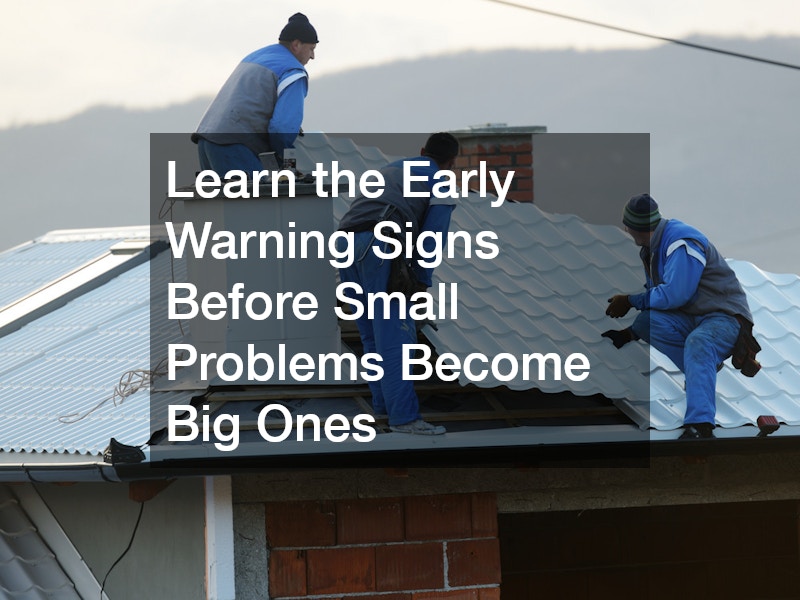
One of the biggest mistakes homeowners make is ignoring the subtle warning signs that something is wrong with their roof. Minor issues rarely stay minor for long. Small leaks, cracked shingles, or clogged drainage can slowly turn into larger structural problems that require expensive roof repairs. By catching issues early, you give yourself the best chance of addressing them quickly and affordably.
It’s important to understand that the earliest signs of trouble are often visible from the ground. You don’t need to climb onto your roof to notice potential problems. Many experienced roofers encourage homeowners to do occasional visual inspections after storms or during seasonal transitions. A simple walk around your home can reveal a lot about the condition of your roof.
Common warning signs homeowners should watch for include:
-
Shingles that appear curled, cracked, or missing
-
Dark streaks or algae growth across the surface
-
Granules accumulating in gutters or at the base of downspouts
-
Sagging roof lines or uneven sections
-
Water stains on ceilings or upper walls inside the house
These signs may seem small, but they can point to larger underlying issues. For example, granule loss can indicate that shingles are nearing the end of their lifespan, while curling shingles may suggest prolonged heat exposure or poor ventilation.
If you notice any of these warning signals, it’s wise to consult experienced roofers before the problem spreads. Early intervention can mean the difference between a quick repair and a much larger project later on.
Build a Simple Seasonal Maintenance Routine That Actually Works
Taking care of your roof doesn’t require complicated equipment or professional training. What it does require is consistency. Establishing a simple seasonal routine helps ensure small issues are caught early and addressed before they escalate. Many homeowners overlook this step, but regular maintenance is one of the best ways to extend the lifespan of your roof.
Professional roofing services often recommend dividing roof care tasks by season. Each part of the year presents different challenges, from winter ice to summer heat. A predictable schedule helps homeowners stay organized and ensures that no part of the roof care process gets forgotten.
A basic seasonal maintenance routine might include:
-
Spring: Inspect for winter damage and clear debris from gutters.
-
Summer: Check for heat-related shingle damage and inspect attic ventilation.
-
Fall: Remove leaves and ensure drainage systems are clear before storms arrive.
-
Winter: Monitor for ice buildup and watch for signs of interior leaks.
Seasonal maintenance also allows you to check surrounding elements that affect roof health. Overhanging branches, clogged gutters, and poor attic airflow can all contribute to roof damage if left unattended.
While many of these tasks are manageable for homeowners, more thorough inspections may still require professional roofing services. A trained technician can identify early structural concerns that might not be obvious during a casual inspection.
Know When to Fix the Problem Versus Starting Fresh
When homeowners notice roof damage, the first question they often ask is whether the issue can be fixed or if a complete replacement is necessary. This decision can feel overwhelming, especially when considering cost, longevity, and the potential disruption to daily life. Understanding the difference between situations that require roof repairs and those that call for roofing replacements can make the decision much easier.
In many cases, repairs are sufficient when the damage is limited to a small portion of the roof. For example, replacing a few missing shingles or fixing a minor leak may restore the roof’s integrity without requiring a major project. If your roof is relatively young and otherwise in good condition, targeted roof repairs are usually the most practical option.
However, there are times when a repair simply isn’t enough. Multiple leaks, extensive shingle deterioration, or significant structural issues may indicate that the roof has reached the end of its useful life. In these cases, investing in roofing replacements can provide better long-term value than continuing to patch recurring problems.
Several factors influence the repair-versus-replacement decision:
-
The age of the existing roof
-
The extent of visible damage
-
The frequency of past repairs
-
The condition of the underlying roof decking
-
Energy efficiency considerations
A well-timed replacement can improve insulation, reduce maintenance costs, and increase the overall value of your home. When the damage becomes widespread, starting fresh often provides the most reliable solution.
Choose Materials That Match Your Climate and Budget

Roofing materials play a major role in durability, maintenance requirements, and long-term cost. While many homeowners default to asphalt shingles, modern roofing technology offers several other options that may better suit specific climates and budgets. Choosing the right material can dramatically affect how well your roof performs over time.
One option gaining popularity is metal roofing, which offers excellent durability and energy efficiency. Unlike traditional materials that may degrade more quickly under extreme weather conditions, metal roofing is designed to withstand strong winds, heavy rain, and intense sunlight. This makes it a particularly attractive choice in areas prone to severe storms.
Different roofing materials offer distinct advantages:
-
Asphalt shingles: Affordable and widely available
-
Metal roofing: Long lifespan and strong weather resistance
-
Clay or concrete tiles: Exceptional durability and distinctive appearance
-
Wood shakes: Natural look but higher maintenance requirements
Material selection should also take local climate into account. Homes in hot regions benefit from reflective surfaces that reduce heat absorption, while colder climates require materials that handle snow accumulation and freeze-thaw cycles effectively.
Ultimately, the best roofing material balances performance, aesthetics, and cost. Investing in higher-quality materials upfront can often lead to fewer maintenance issues and a longer-lasting roof.
Vet the Right Professional Before Letting Anyone on Your Roof
Choosing the right professionals for roofing work is one of the most important decisions homeowners make. The quality of the installation or repair can directly affect how long the roof lasts and how well it performs during harsh weather conditions. Working with reliable roofing contractors ensures that the job is completed correctly and safely.
Not all contractors offer the same level of experience or professionalism. This is why many homeowners prefer working with local roofing contractors who are familiar with regional building codes, climate challenges, and common roofing materials used in the area.
Before hiring anyone, take time to research their background and credentials. A reputable contractor should be transparent about licensing, insurance, and previous projects.
Important questions to ask potential contractors include:
-
Are you licensed and insured?
-
Can you provide references from past clients?
-
What type of warranty do you offer on workmanship?
-
How long will the project take?
-
What materials do you recommend and why?
By carefully vetting your options, you reduce the risk of poor workmanship and unexpected expenses. Trustworthy roofing contractors will take the time to explain their process, answer questions, and ensure you feel confident before any work begins.
Get Accurate Estimates Without Getting Overwhelmed
Roofing estimates can sometimes feel confusing, especially if you’ve never gone through the process before. Quotes often include technical terminology, multiple cost categories, and varying timelines. Understanding how estimates work can help you make better decisions and avoid surprises later.
A reliable local roofer should provide a detailed estimate that clearly outlines the scope of work. This includes labor costs, material costs, disposal fees, and any additional structural repairs that may be necessary. Transparency is key when evaluating proposals for roofing services, as vague estimates can lead to unexpected charges during the project.
When comparing estimates, it’s important to focus on value rather than simply choosing the lowest price. Some contractors may offer lower quotes by using cheaper materials or skipping important preparation steps.
Key elements that should appear in a roofing estimate include:
-
Breakdown of material costs
-
Labor and installation fees
-
Project timeline
-
Warranty information
-
Cleanup and disposal procedures
After reviewing estimates, don’t hesitate to ask questions if anything seems unclear. A professional local roofer will be happy to explain the details and ensure you understand exactly what you’re paying for.
Clear communication during this stage sets the foundation for a smoother roofing project from start to finish.
Prepare Your Home Before Work Begins
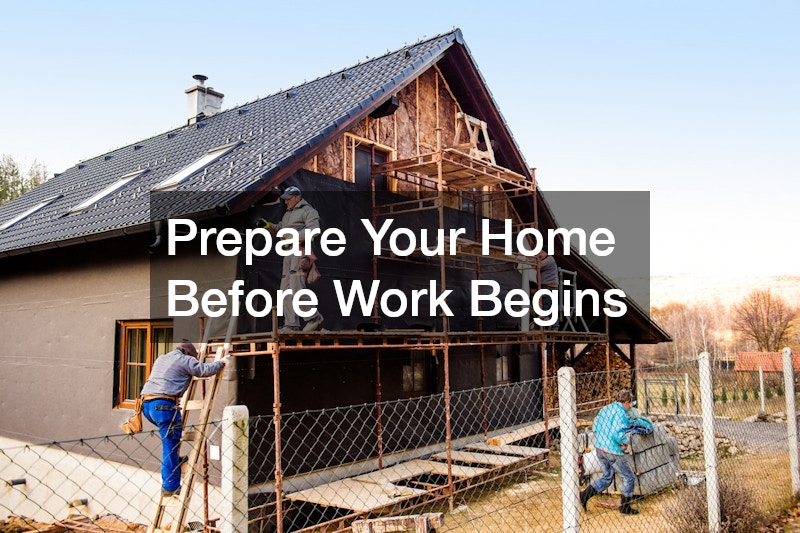
Roof work can be noisy, messy, and disruptive if you’re not prepared for it. Taking a few simple steps before the project begins can make the experience far less stressful for both you and the crew performing the work. Preparation helps ensure the project runs smoothly and safely.
When roofers arrive to begin work, they often need space for materials, equipment, and debris removal. Clearing the area around your home makes their job easier and reduces the risk of accidental damage to your property.
Before the project starts, homeowners should consider the following steps:
-
Move vehicles away from the driveway
-
Cover or store fragile items in the attic
-
Remove outdoor furniture near the house
-
Inform neighbors about potential noise
-
Keep pets indoors during construction hours
These small adjustments can significantly improve the efficiency of the project. Roofing work often involves heavy materials and loud equipment, so minimizing obstacles helps the crew stay focused on completing the job safely.
Experienced roofers will also provide guidance about what to expect during the process. Open communication helps homeowners feel more comfortable and ensures everyone understands the timeline and daily work schedule.
Handle Storm Damage Quickly and Smartly
Storms are one of the most common causes of roof damage. High winds, hail, and falling debris can compromise roofing materials in a matter of minutes. When severe weather strikes, quick action is essential to prevent further damage to your home.
After a storm passes, it’s important to visually inspect your property for signs of damage. Missing shingles, dented metal components, or debris on the roof can all indicate that repairs may be necessary. Acting quickly to schedule local roof repairs can prevent leaks and structural issues from developing.
Storm-related roof damage often includes:
-
Wind-lifted shingles
-
Hail dents or cracks
-
Broken flashing around chimneys or vents
-
Fallen branches or debris impact
In addition to protecting your home, prompt inspections also help with insurance claims. Proper documentation of storm damage can simplify the claims process and increase the likelihood of coverage approval.
Timely local roof repairs ensure that small weather-related issues don’t turn into larger structural concerns. Even minor damage should be addressed quickly to maintain the integrity of the roof system.
Make Your Roof Last Longer With Smart Upgrades
Homeowners who want to maximize the lifespan of their roof often consider upgrades that improve durability and energy efficiency. While basic maintenance helps prevent problems, modern improvements can take roof performance to the next level.
Many roofing contractors recommend installing better ventilation systems, impact-resistant materials, or reflective coatings that reduce heat absorption. These upgrades not only extend roof lifespan but also improve overall home comfort and energy efficiency.
One increasingly popular option is upgrading to metal roofing. This material offers exceptional durability, often lasting several decades with minimal maintenance. In addition to its strength, metal roofing reflects sunlight more effectively than many traditional materials, helping reduce cooling costs during hot months.
Other upgrades that can extend roof life include:
-
Improved attic ventilation systems
-
Impact-resistant shingles
-
Advanced waterproof underlayment
-
Reflective roof coatings
Discussing these options with experienced roofing contractors can help homeowners identify improvements that make the most sense for their budget and climate conditions.
Strategic upgrades often pay for themselves over time by reducing repair needs and improving energy efficiency.
Keep Your Warranty Valid and Your Investment Protected

Roof warranties provide valuable protection, but they often come with specific requirements that homeowners must follow. Many people assume a warranty automatically covers all damage, but this isn’t always the case. Proper maintenance and documentation are usually required to keep warranty coverage valid.
Working with trusted local roofing contractors can help ensure that inspections and maintenance are performed correctly. Professional inspections not only catch potential problems early but also create records that may be necessary if a warranty claim arises.
To maintain warranty protection, homeowners should:
-
Schedule regular roof inspections
-
Keep documentation of repairs and maintenance
-
Address small issues before they worsen
-
Follow manufacturer maintenance guidelines
Ignoring these steps can sometimes void warranty coverage, leaving homeowners responsible for costly repairs.
By staying proactive and working with reliable local roofing contractors, homeowners can protect both their roof and their investment for many years to come.
A well-maintained roof does far more than simply sit on top of your house. It protects your home from the elements, contributes to energy efficiency, and helps maintain the structural integrity of everything underneath it. Despite its importance, roof care is often overlooked until a problem becomes impossible to ignore.
The good news is that taking care of your roof doesn’t require complicated tools or constant attention. Regular inspections, smart material choices, and timely maintenance can go a long way toward preventing costly problems. Small steps taken today can extend the lifespan of your roof and provide peace of mind during every storm and season.
With the right approach, homeowners can keep their roofs in excellent condition for decades. Treat your roof like the valuable investment it is, and it will continue protecting your home — and everything inside it — for years to come.