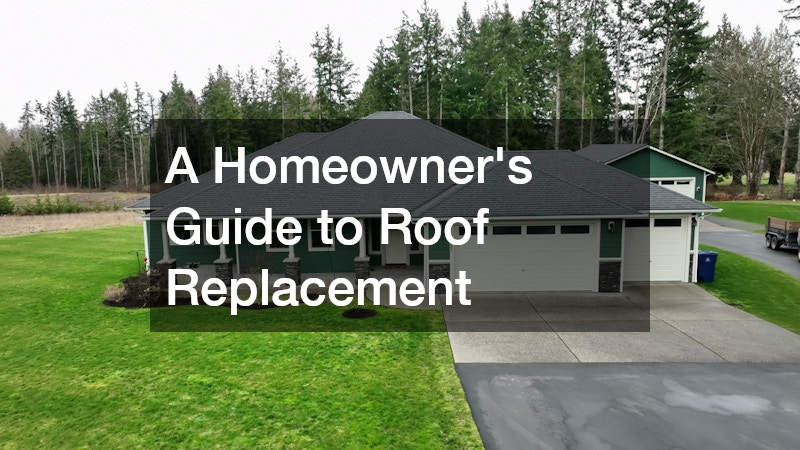
Roof replacement is one of the most significant maintenance decisions a homeowner will make. A well-functioning roof protects the structure of the home, supports energy efficiency, and preserves property value. Yet many homeowners are unsure when replacement is necessary, which materials make the most sense, and what the process actually involves.
This guide breaks down the key indicators that signal the need for a new roof, explains how to select the right materials, and outlines what to expect during the replacement process so homeowners can plan with confidence and avoid costly surprises.
What Are the Signs That Your Roof Needs Replacement?
The most obvious signs of roof failure are physical and visible. Missing, curling, or cracked shingles often indicate advanced wear and reduced weather resistance. Damaged flashing around chimneys, vents, and skylights can allow water to penetrate vulnerable areas of the roof system. Inside the home, water stains on ceilings or walls, active leaks, and unexplained moisture are strong indicators that the roof’s protective barrier has been compromised. Granule loss is another common warning sign, particularly with asphalt shingles. If granules are collecting in gutters or downspouts, the shingles are likely nearing the end of their service life. While isolated damage can sometimes be repaired, widespread issues usually point to the need for full replacement.
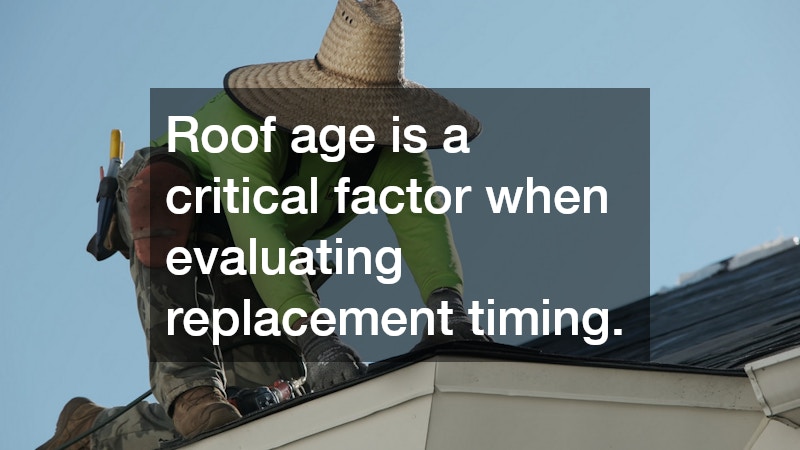
Roof age is a critical factor when evaluating replacement timing. Even if visible damage is minimal, materials degrade over time due to exposure to sunlight, temperature fluctuations, and weather events. Asphalt shingle roofs typically last 20 to 30 years, depending on quality and installation. Architectural shingles may offer slightly longer performance, while basic three-tab shingles tend to wear out sooner. Metal roofs often last 40 to 70 years, while tile and slate roofs can exceed 75 years with proper maintenance. However, underlayment and fasteners may still require replacement even if the surface material appears intact. Knowing the age of the roof helps homeowners anticipate replacement before failures occur.
An aging or deteriorating roof can negatively impact a home’s energy efficiency. Damaged roofing materials and compromised underlayment allow air to escape, forcing HVAC systems to work harder to maintain indoor temperatures. Homeowners may notice higher energy bills, uneven temperatures, or excessive heat gain in summer and heat loss in winter. Poor roof performance can also contribute to moisture buildup in attic spaces, which reduces insulation effectiveness and increases the risk of mold growth. Replacing an outdated roof provides an opportunity to improve ventilation and insulation, leading to better energy performance and lower long-term utility costs.
How to Choose the Right Roofing Material?
Selecting the right roofing material involves balancing durability, maintenance requirements, and climate conditions. Asphalt shingles remain the most common choice due to affordability and versatility. They perform well in most climates but may be more vulnerable to extreme heat or high winds. Metal roofing offers superior durability and resistance to weather extremes, making it ideal for regions with heavy snow, strong winds, or frequent storms. Tile and slate roofs are highly durable and fire-resistant, but they require reinforced roof structures due to their weight. Each material has trade-offs, so understanding local climate challenges is essential.
Roof replacement costs vary widely based on material, roof size, complexity, and labor requirements. Asphalt shingles are generally the most budget-friendly option, while metal, tile, and slate represent higher upfront investments. However, long-term value should be considered alongside initial cost. More durable materials often require less maintenance and last significantly longer, reducing the frequency of future replacements. Homeowners should also factor in potential energy savings, insurance considerations, and warranties when budgeting for a roof replacement project.
Roofing materials play a major role in curb appeal and architectural harmony. The color, texture, and profile of the roof should complement the home’s style, whether it is traditional, modern, or historic. For example, slate or tile may suit classic or Mediterranean-style homes, while metal panels align well with contemporary designs. Local building codes or neighborhood guidelines may also influence material selection. Choosing a roofing material that aligns with the home’s architecture not only enhances appearance but can also support resale value.
What Is the Roof Replacement Process Like?
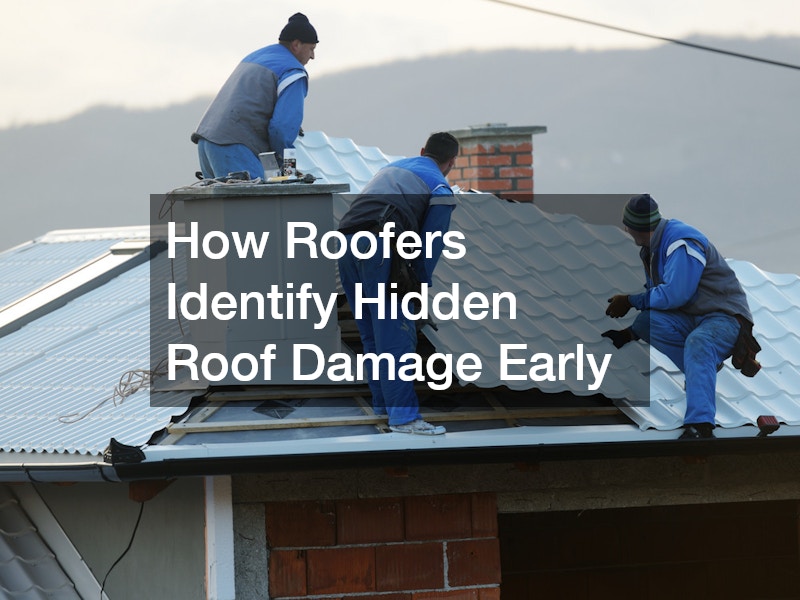
The roof replacement process begins with a professional inspection. A qualified contractor evaluates the condition of the existing roof, identifies structural concerns, and assesses ventilation and drainage systems. This inspection informs the scope of work and helps determine whether decking repairs or upgrades are needed. Planning includes selecting materials, confirming timelines, securing permits, and reviewing warranty options. Clear communication during this phase helps prevent delays and ensures the project aligns with the homeowner’s expectations and budget.
During installation, the existing roofing materials are removed to expose the roof deck. Contractors inspect the deck for damage and make necessary repairs before installing underlayment, flashing, and the new roofing material. Proper installation techniques are critical to prevent leaks and ensure long-term performance. Safety is a major consideration throughout the process. Professional roofing crews use fall protection systems, follow local safety regulations, and manage debris to protect both workers and the property. Hiring a licensed and insured contractor reduces risk and ensures compliance with building standards.
After installation, a final inspection confirms that all components are properly installed and sealed. Homeowners should review warranty documentation and maintenance recommendations provided by the contractor. Routine maintenance, such as clearing debris, inspecting flashing, and addressing minor issues promptly, helps extend the life of the new roof. Periodic professional inspections are also recommended, particularly after severe weather events. Proactive care preserves performance and protects the investment over time.
Roof replacement is a complex but manageable project when homeowners understand the warning signs, material options, and replacement process. Recognizing when a roof has reached the end of its lifespan helps prevent structural damage and energy inefficiency. Choosing the right materials ensures durability, aesthetic alignment, and long-term value. By working with qualified professionals and planning carefully, homeowners can approach roof replacement with clarity and confidence, ensuring their home remains protected for years to come.